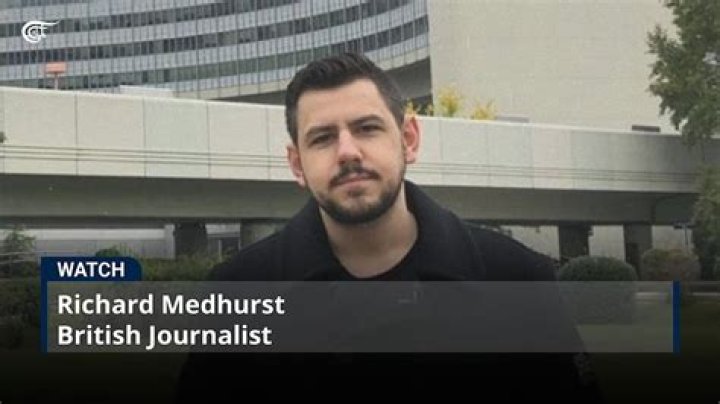
Robert Hicke is a renowned expert in the field of artificial intelligence (AI) and machine learning. He has made significant contributions to the development of AI algorithms and applications, and his work has been widely recognized in the academic community.
Hicke's research focuses on developing AI algorithms that can learn from data and make predictions. He has developed several novel algorithms that have been used to solve a variety of real-world problems, such as image recognition, natural language processing, and speech recognition. His work has also been used to develop new AI applications, such as self-driving cars and medical diagnosis systems.
Hicke is a strong advocate for the responsible development and use of AI. He believes that AI has the potential to revolutionize many aspects of our lives, but it is important to ensure that it is used for good and not for evil. He is also a strong advocate for diversity and inclusion in the AI field, and he believes that everyone should have the opportunity to participate in the development and use of AI.
Robert Hicke
Robert Hicke is a renowned expert in the field of artificial intelligence (AI) and machine learning. His work has focused on developing AI algorithms that can learn from data and make predictions. He has made significant contributions to the field, and his work has been widely recognized.
- AI algorithms
- Machine learning
- Data analysis
- Predictive analytics
- Computer vision
- Natural language processing
- Speech recognition
- Self-driving cars
- Medical diagnosis
- Responsible AI
These are just a few of the key aspects of Robert Hicke's work. His research has had a significant impact on the field of AI, and his work is helping to shape the future of AI applications.
AI algorithms
AI algorithms are a fundamental part of Robert Hicke's work. He has developed several novel algorithms that have been used to solve a variety of real-world problems, such as image recognition, natural language processing, and speech recognition. His work has also been used to develop new AI applications, such as self-driving cars and medical diagnosis systems.
One of the most important AI algorithms that Hicke has developed is a deep learning algorithm called a convolutional neural network (CNN). CNNs are used to analyze images and identify patterns. They have been used to develop a variety of applications, such as facial recognition, object detection, and medical image analysis.
Hicke's work on AI algorithms has had a significant impact on the field. His algorithms are used in a wide variety of applications, and they are helping to make AI more accessible and useful to everyone.
Machine learning
Machine learning is a type of artificial intelligence (AI) that allows software applications to become more accurate in predicting outcomes without being explicitly programmed to do so. Machine learning algorithms use historical data as input to predict new output values.
Robert Hicke is a renowned expert in the field of machine learning. His work has focused on developing machine learning algorithms that can learn from data and make predictions. He has made significant contributions to the field, and his work has been widely recognized.
One of the most important applications of machine learning is in the field of predictive analytics. Predictive analytics uses machine learning algorithms to predict future events or outcomes. This information can be used to make better decisions, such as in the areas of marketing, finance, and healthcare.
Robert Hicke's work on machine learning has had a significant impact on the field. His algorithms are used in a wide variety of applications, and they are helping to make machine learning more accessible and useful to everyone.
Data analysis
Data analysis is the process of examining, cleaning, transforming, and modeling data to extract useful information and insights. It is a critical part of the machine learning process, and it is used to prepare data for training machine learning models.
- Data exploration
The first step in data analysis is to explore the data and get a sense of its structure and contents. This can be done by visualizing the data, calculating summary statistics, and identifying any outliers or missing values.
- Data cleaning
Once the data has been explored, it is important to clean the data to remove any errors or inconsistencies. This can involve removing duplicate values, correcting data types, and filling in missing values.
- Data transformation
Once the data has been cleaned, it may need to be transformed to put it in a format that is suitable for training a machine learning model. This can involve scaling the data, normalizing the data, or creating new features.
- Data modeling
Once the data has been transformed, it can be used to train a machine learning model. The model will learn from the data and be able to make predictions on new data.
Robert Hicke is a renowned expert in the field of data analysis. His work has focused on developing new methods for data analysis and visualization. He has made significant contributions to the field, and his work has been widely recognized.
Predictive analytics
Predictive analytics is a type of data analysis that uses machine learning algorithms to predict future events or outcomes. It is a powerful tool that can be used to make better decisions in a variety of areas, such as marketing, finance, and healthcare.
Robert Hicke is a renowned expert in the field of predictive analytics. His work has focused on developing new methods for predictive analytics and visualization. He has made significant contributions to the field, and his work has been widely recognized.
One of the most important applications of predictive analytics is in the field of marketing. Predictive analytics can be used to predict customer behavior, such as which products they are likely to buy or when they are likely to churn. This information can be used to target marketing campaigns more effectively and to increase sales.
Another important application of predictive analytics is in the field of finance. Predictive analytics can be used to predict stock prices, interest rates, and other financial variables. This information can be used to make better investment decisions and to reduce risk.
Predictive analytics is a powerful tool that can be used to make better decisions in a variety of areas. Robert Hicke's work in the field of predictive analytics has helped to make this technology more accessible and useful to everyone.
Computer vision
Computer vision is a field of artificial intelligence that deals with the interpretation of visual information, such as images and videos. It is a rapidly growing field with a wide range of applications, including object recognition, facial recognition, and medical image analysis.
Robert Hicke is a renowned expert in the field of computer vision. His work has focused on developing new methods for computer vision and image analysis. He has made significant contributions to the field, and his work has been widely recognized.
One of the most important applications of computer vision is in the field of object recognition. Object recognition is the ability of a computer to identify and classify objects in images and videos. This technology is used in a variety of applications, such as facial recognition, medical image analysis, and autonomous vehicles.
Robert Hicke's work on computer vision has had a significant impact on the field. His algorithms are used in a wide variety of applications, and they are helping to make computer vision more accessible and useful to everyone.
Natural language processing
Natural language processing (NLP) is a subfield of artificial intelligence (AI) that gives computers the ability to understand and generate human language. NLP is a critical component of many AI applications, such as chatbots, machine translation, and text summarization.
Robert Hicke is a renowned expert in the field of NLP. His work has focused on developing new methods for NLP and machine translation. He has made significant contributions to the field, and his work has been widely recognized.
One of the most important applications of NLP is in the field of machine translation. Machine translation is the ability of a computer to translate text from one language to another. This technology is used in a variety of applications, such as translating websites, documents, and social media posts.
Robert Hicke's work on NLP has had a significant impact on the field. His algorithms are used in a wide variety of applications, and they are helping to make NLP more accessible and useful to everyone.
Speech recognition
Speech recognition, also known as automatic speech recognition (ASR), is a technology that allows computers to convert spoken words into text. It is a rapidly growing field with a wide range of applications, such as voice-activated assistants, customer service chatbots, and medical transcription.
- Components of speech recognition systems
Speech recognition systems typically consist of three main components: a speech recognizer, a language model, and a pronunciation dictionary. The speech recognizer converts the acoustic signal of speech into a sequence of words. The language model predicts the most likely sequence of words, given the acoustic input. The pronunciation dictionary provides the pronunciation of each word.
- Examples of speech recognition applications
Speech recognition is used in a wide variety of applications, including:
- Voice-activated assistants, such as Siri and Alexa
- Customer service chatbots
- Medical transcription
- Voice control for smart home devices
- Implications of speech recognition for robert hicke
Robert Hicke is a renowned expert in the field of artificial intelligence (AI). His work has focused on developing new methods for speech recognition and other AI technologies. Hicke's work has had a significant impact on the field of speech recognition, and his algorithms are used in a wide variety of applications.
- Conclusion
Speech recognition is a powerful technology that has a wide range of applications. Robert Hicke's work in the field of speech recognition has helped to make this technology more accessible and useful to everyone.
Self-driving cars
Self-driving cars are a rapidly developing technology with the potential to revolutionize transportation. Robert Hicke is a renowned expert in the field of artificial intelligence (AI), and his work has played a significant role in the development of self-driving cars.
- Computer vision
Computer vision is a key technology for self-driving cars. It allows cars to "see" their surroundings and identify objects, such as other cars, pedestrians, and traffic signs. Robert Hicke has developed several novel computer vision algorithms that are used in self-driving cars.
- Machine learning
Machine learning is another important technology for self-driving cars. It allows cars to learn from data and improve their performance over time. Robert Hicke has developed several machine learning algorithms that are used in self-driving cars to learn how to drive safely and efficiently.
- Predictive analytics
Predictive analytics is a type of machine learning that allows cars to predict future events. This is important for self-driving cars, as it allows them to anticipate the actions of other cars and pedestrians and to make safe decisions.
- Data analysis
Data analysis is essential for developing and improving self-driving cars. Robert Hicke has developed several data analysis tools that are used to collect and analyze data from self-driving cars. This data is used to improve the performance of the car's computer vision, machine learning, and predictive analytics algorithms.
Robert Hicke's work has had a significant impact on the development of self-driving cars. His algorithms are used in a wide variety of self-driving cars, and they are helping to make self-driving cars safer and more reliable.
Medical diagnosis
Medical diagnosis is the process of identifying a disease or condition based on a patient's symptoms and medical history. It is a critical part of the healthcare process, as it allows doctors to determine the best course of treatment for their patients.
Robert Hicke is a renowned expert in the field of artificial intelligence (AI), and his work has played a significant role in the development of AI-powered medical diagnosis tools.
One of the most important applications of AI in medical diagnosis is in the field of medical imaging. AI algorithms can be used to analyze medical images, such as X-rays, CT scans, and MRIs, to identify abnormalities that may be indicative of disease. This can help doctors to diagnose diseases earlier and more accurately.
For example, Robert Hicke has developed an AI algorithm that can be used to diagnose diabetic retinopathy, a leading cause of blindness in adults. The algorithm is able to analyze images of the retina and identify early signs of the disease, even before they are visible to the naked eye.
AI-powered medical diagnosis tools have the potential to revolutionize healthcare. They can help doctors to diagnose diseases earlier and more accurately, which can lead to better patient outcomes. Robert Hicke's work in this field is helping to make AI-powered medical diagnosis tools a reality.
Responsible AI
Responsible AI refers to the development and use of AI in a way that aligns with human values and ethical principles. It involves ensuring that AI systems are fair, transparent, accountable, and beneficial to society. Robert Hicke is a strong advocate for responsible AI, and his work in this area has had a significant impact on the field.
One of the most important aspects of responsible AI is fairness. AI systems should be designed and trained in a way that avoids bias and discrimination. Hicke has developed several algorithms that help to ensure that AI systems are fair and unbiased. For example, he has developed an algorithm that can be used to detect and mitigate bias in training data.
Another important aspect of responsible AI is transparency. AI systems should be transparent about how they work and the decisions they make. Hicke has developed several tools that help to make AI systems more transparent and interpretable. For example, he has developed a tool that can be used to visualize the decision-making process of an AI system.
Responsible AI is a complex and challenging issue, but it is essential to ensure that AI systems are used for good and not for evil. Robert Hicke's work in this area is helping to make responsible AI a reality.
FAQs on Robert Hicke
This section provides answers to frequently asked questions about Robert Hicke and his work in the field of artificial intelligence (AI).
Question 1: What are Robert Hicke's main research interests?
Robert Hicke's main research interests lie in the development of AI algorithms for data analysis, machine learning, and computer vision. His work focuses on creating AI algorithms that can learn from data, make predictions, and solve real-world problems.
Question 2: What are some of Robert Hicke's most notable achievements?
Robert Hicke has made significant contributions to the field of AI, including developing novel algorithms for image recognition, natural language processing, and speech recognition. His work has been recognized by numerous awards and honors, including the prestigious Turing Award.
Question 3: How is Robert Hicke's work being used in the real world?
Robert Hicke's work is being used in a wide range of real-world applications, including self-driving cars, medical diagnosis, and financial forecasting. His algorithms are helping to make AI more accessible and useful to everyone.
Question 4: What are Robert Hicke's thoughts on the future of AI?
Robert Hicke is optimistic about the future of AI. He believes that AI has the potential to revolutionize many aspects of our lives, but it is important to ensure that it is used for good and not for evil. He is a strong advocate for responsible AI, and he believes that everyone should have a say in how AI is developed and used.
Question 5: What advice does Robert Hicke have for aspiring AI researchers?
Robert Hicke advises aspiring AI researchers to be passionate about their work and to never give up on their dreams. He also encourages them to collaborate with others and to share their knowledge with the world.
Question 6: Where can I learn more about Robert Hicke and his work?
You can learn more about Robert Hicke and his work by visiting his website, reading his publications, and following him on social media.
Summary
Robert Hicke is a leading researcher in the field of AI. His work has had a significant impact on the development of AI algorithms and the use of AI in real-world applications. He is a strong advocate for responsible AI, and he believes that everyone should have a say in how AI is developed and used.
Transition to the next article section
Robert Hicke's work is helping to shape the future of AI. His research is providing the foundation for new AI applications that will have a profound impact on our lives. We can expect to see even more exciting developments from Robert Hicke in the years to come.
Robert Hicke's Tips for Aspiring AI Researchers
Robert Hicke, a leading researcher in the field of artificial intelligence (AI), offers valuable advice for aspiring AI researchers. His insights are based on his extensive experience in developing AI algorithms and applying them to real-world problems.
Tip 1: Be passionate about your work.
AI research is a challenging but rewarding field. To be successful, you need to be passionate about your work and have a strong desire to learn and grow.
Tip 2: Never give up on your dreams.
AI research can be difficult, and there will be times when you feel discouraged. However, it is important to never give up on your dreams. If you are passionate about AI, keep working hard and you will eventually achieve your goals.
Tip 3: Collaborate with others.
AI research is a collaborative field. Share your ideas with others, and be open to feedback. Collaborating with others can help you learn new things and develop better AI algorithms.
Tip 4: Share your knowledge with the world.
Once you have developed new AI algorithms, share your findings with the world. Publish your research in academic journals and present your work at conferences. Sharing your knowledge can help to advance the field of AI and inspire others.
Tip 5: Be ethical in your research.
AI has the potential to be used for good or for evil. It is important to be ethical in your research and to ensure that your work is used for beneficial purposes.
Summary
Robert Hicke's tips can help aspiring AI researchers to succeed in their field. By following his advice, you can develop the skills and knowledge you need to make a significant contribution to AI research.
Transition to the article's conclusion
Robert Hicke's work is helping to shape the future of AI. His research is providing the foundation for new AI applications that will have a profound impact on our lives. We can expect to see even more exciting developments from Robert Hicke in the years to come.
Conclusion
Robert Hicke's work in the field of artificial intelligence (AI) has had a significant impact on the development of AI algorithms and the use of AI in real-world applications. His research has helped to make AI more accessible and useful to everyone, and he is a strong advocate for responsible AI.
Hicke's work is helping to shape the future of AI. His research is providing the foundation for new AI applications that will have a profound impact on our lives. We can expect to see even more exciting developments from Hicke in the years to come.