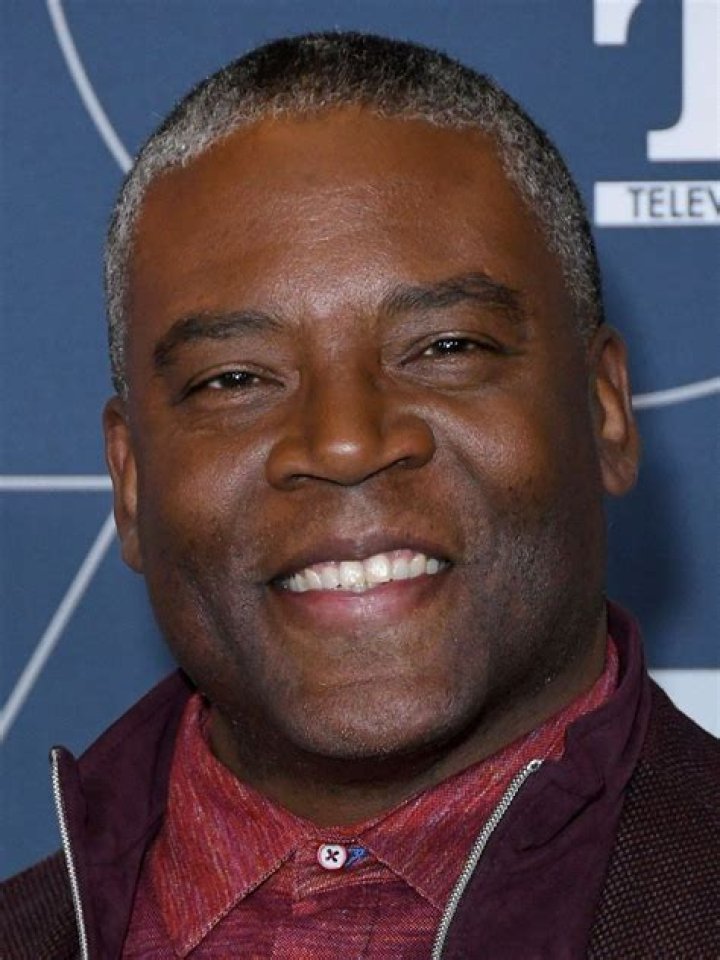
Terry Mandel is an American politician and lawyer who served as the 59th Governor of Maryland from 1969 to 1979.
Mandel was born in Baltimore, Maryland, in 1929. He graduated from the University of Maryland, College Park, and the University of Maryland School of Law. After serving in the United States Army, Mandel began his political career in the Maryland House of Delegates in 1958. He was elected to the Maryland Senate in 1962 and served as its President from 1967 to 1969.
As Governor, Mandel focused on education, environmental protection, and economic development. He also played a key role in the desegregation of Maryland's schools and the establishment of the Chesapeake Bay Program. After leaving office, Mandel continued to be active in public service, serving as President of the University of Maryland, College Park, and as a member of the Maryland Board of Regents.
Terry Mandel is a significant figure in Maryland politics. His legacy includes a strong commitment to public service and a focus on improving the lives of all Marylanders.
Terry Mandel
Terry Mandel, an American politician and lawyer, served as the 59th Governor of Maryland from 1969 to 1979. His governorship focused on education, environmental protection, and economic development. Here are ten key aspects of his life and career:
- Born: Baltimore, Maryland, 1929
- Education: University of Maryland, College Park; University of Maryland School of Law
- Military service: United States Army
- Political career: Maryland House of Delegates (1958-1962), Maryland Senate (1962-1969), Governor of Maryland (1969-1979)
- Key accomplishments: Desegregation of Maryland's schools, establishment of the Chesapeake Bay Program
- Post-gubernatorial career: President of the University of Maryland, College Park; member of the Maryland Board of Regents
- Legacy: Strong commitment to public service, focus on improving the lives of all Marylanders
Terry Mandel's governorship was a time of significant progress for Maryland. He oversaw the desegregation of the state's schools, a major step forward in the fight for civil rights. He also played a key role in the establishment of the Chesapeake Bay Program, a landmark environmental protection initiative. Mandel's legacy as a public servant is one of accomplishment and dedication to the people of Maryland.
Born
Terry Mandel was born in Baltimore, Maryland, in 1929. This fact is significant because it provides context for his upbringing, education, and political career.
- Baltimore's political landscape: Baltimore is a major city with a long history of political activism. Mandel's upbringing in Baltimore likely influenced his interest in politics and public service.
- Maryland's political culture: Maryland is a state with a strong tradition of moderate politics. Mandel's political views were likely shaped by the state's political culture.
- The era of his birth: Mandel was born during the Great Depression. The economic and social challenges of this era likely had a significant impact on his worldview.
- His family background: Mandel's family was Jewish. His religious background may have influenced his commitment to social justice and equality.
Overall, the fact that Terry Mandel was born in Baltimore, Maryland, in 1929 provides important context for understanding his life and career.
Education
Terry Mandel's education at the University of Maryland, College Park, and the University of Maryland School of Law played a significant role in his career as a politician and public servant. His education provided him with the knowledge and skills necessary to succeed in his chosen field.
Mandel's undergraduate studies at the University of Maryland, College Park, gave him a broad foundation in the liberal arts. He majored in political science and history, which gave him a deep understanding of the American political system and the history of Maryland. He also developed strong writing and communication skills, which were essential for his future career in politics.
After graduating from college, Mandel attended the University of Maryland School of Law. There, he earned his Juris Doctor degree, which gave him the legal knowledge and skills necessary to practice law. He also developed strong analytical and critical thinking skills, which were essential for his future career in politics.
Mandel's education at the University of Maryland, College Park, and the University of Maryland School of Law was a key factor in his success as a politician and public servant. His education gave him the knowledge, skills, and abilities necessary to serve the people of Maryland.
Military service
Terry Mandel's military service in the United States Army was a significant experience that shaped his life and career. He served in the Army from 1953 to 1955, and his experiences during that time had a profound impact on his views on leadership, public service, and the importance of defending one's country.
- Leadership: Mandel's military service taught him the importance of leadership and teamwork. He learned how to lead and motivate others, and he developed a strong sense of responsibility for the well-being of his fellow soldiers.
- Public service: Mandel's military service also instilled in him a deep commitment to public service. He saw firsthand the importance of serving one's country and community, and he was inspired to pursue a career in public service after his time in the Army.
- Defense: Mandel's military service gave him a strong appreciation for the importance of national defense. He learned the importance of being prepared to defend one's country against threats from abroad, and he supported a strong military throughout his career.
Overall, Terry Mandel's military service in the United States Army was a formative experience that had a profound impact on his life and career. He learned the importance of leadership, public service, and defense, and he carried these lessons with him throughout his life.
Political career
Terry Mandel's political career began in the Maryland House of Delegates, where he served from 1958 to 1962. He then served in the Maryland Senate from 1962 to 1969, and was elected Governor of Maryland in 1969. He served as governor until 1979.
- Electoral success: Mandel's electoral success is a testament to his popularity and his ability to connect with voters. He was elected to the Maryland House of Delegates four times, to the Maryland Senate three times, and to the governorship twice.
- Policy achievements: Mandel's policy achievements as governor are significant. He oversaw the desegregation of Maryland's schools, established the Chesapeake Bay Program, and increased funding for education and healthcare.
- Leadership style: Mandel was known for his collaborative leadership style. He worked with both Democrats and Republicans to pass legislation and improve the lives of Marylanders.
- Legacy: Mandel's legacy as a politician is one of accomplishment and dedication to public service. He is remembered as a moderate Democrat who worked to improve the lives of all Marylanders.
Terry Mandel's political career is a reminder of the importance of public service. He dedicated his life to serving the people of Maryland, and his accomplishments as governor are a testament to his commitment to making a difference.
Key accomplishments
Terry Mandel's two key accomplishments as governor of Maryland were the desegregation of the state's schools and the establishment of the Chesapeake Bay Program. These achievements reflect his commitment to social justice and environmental protection.
- Desegregation of Maryland's schools
Mandel played a key role in the desegregation of Maryland's schools. He worked with both white and black leaders to develop a plan that would end school segregation in the state. The plan was implemented in 1971, and it led to the desegregation of all of Maryland's public schools.
- Establishment of the Chesapeake Bay Program
Mandel also played a key role in the establishment of the Chesapeake Bay Program. He recognized the importance of protecting the Chesapeake Bay, and he worked with other states and the federal government to create a program that would clean up the bay and restore its health. The Chesapeake Bay Program is now one of the most successful environmental restoration programs in the world.
Mandel's accomplishments as governor are a testament to his commitment to public service. He worked to make Maryland a more just and equitable state, and he worked to protect the environment for future generations.
Post-gubernatorial career
After leaving office in 1979, Mandel continued to serve the state of Maryland in various capacities. He was President of the University of Maryland, College Park, from 1982 to 1988, and a member of the Maryland Board of Regents from 1990 to 2003.
Mandel's post-gubernatorial career is significant because it demonstrates his continued commitment to public service. He used his experience and expertise to make a difference in the lives of Marylanders, both through higher education and through his work on the Board of Regents.
Mandel's presidency of the University of Maryland, College Park, was a time of growth and progress for the university. He oversaw the construction of several new buildings, including the Adele H. Stamp Student Union and the Jeong H. Kim Engineering Building. He also increased funding for academic programs and research.
As a member of the Maryland Board of Regents, Mandel worked to improve the quality of higher education in Maryland. He was a strong advocate for affordable tuition and increased access to higher education for all Marylanders.
Mandel's post-gubernatorial career is a testament to his dedication to public service. He continued to make a difference in the lives of Marylanders, even after leaving office.
Legacy
Terry Mandel's legacy is one of strong commitment to public service and a focus on improving the lives of all Marylanders. This is evident in his work as Governor of Maryland, as well as in his post-gubernatorial career.
- Commitment to public service
Mandel has a long history of public service. He served in the Maryland House of Delegates, the Maryland Senate, and as Governor of Maryland. He also served as President of the University of Maryland, College Park, and as a member of the Maryland Board of Regents.
- Focus on improving the lives of all Marylanders
Mandel's policies as governor were focused on improving the lives of all Marylanders. He oversaw the desegregation of Maryland's schools, established the Chesapeake Bay Program, and increased funding for education and healthcare.
- Collaboration and bipartisanship
Mandel was known for his collaborative leadership style. He worked with both Democrats and Republicans to pass legislation and improve the lives of Marylanders.
- Commitment to education
Mandel was a strong supporter of education. He increased funding for education as governor, and he served as President of the University of Maryland, College Park, after leaving office.
Terry Mandel's legacy is one of public service and a focus on improving the lives of all Marylanders. He is remembered as a moderate Democrat who worked to make Maryland a more just and equitable state.
FAQs about Terry Mandel
This section provides answers to frequently asked questions about Terry Mandel, a former Governor of Maryland.
Question 1: What were Terry Mandel's key accomplishments as Governor of Maryland?
Answer: Terry Mandel's key accomplishments as Governor of Maryland include overseeing the desegregation of the state's schools, establishing the Chesapeake Bay Program, and increasing funding for education and healthcare.
Question 2: What was Terry Mandel's political affiliation?
Answer: Terry Mandel was a Democrat.
Question 3: What was Terry Mandel's education?
Answer: Terry Mandel earned a Bachelor of Arts degree from the University of Maryland, College Park, and a Juris Doctor degree from the University of Maryland School of Law.
Question 4: What was Terry Mandel's military service?
Answer: Terry Mandel served in the United States Army from 1953 to 1955.
Question 5: What was Terry Mandel's post-gubernatorial career?
Answer: After leaving office, Terry Mandel served as President of the University of Maryland, College Park, and as a member of the Maryland Board of Regents.
Question 6: What is Terry Mandel's legacy?
Answer: Terry Mandel's legacy is one of strong commitment to public service and a focus on improving the lives of all Marylanders.
These are just a few of the frequently asked questions about Terry Mandel. For more information, please consult a reliable source such as a biography or encyclopedia.
Moving on to the next section of the article, we will discuss Terry Mandel's impact on Maryland politics.
Terry Mandel's Tips for Effective Leadership
Terry Mandel, former Governor of Maryland, is known for his collaborative leadership style and his commitment to public service. Here are five tips for effective leadership, based on Mandel's experiences:
Tip 1: Build relationships with people from all walks of life.
Mandel believes that effective leaders are able to connect with people from all walks of life. He makes a point of getting to know his constituents and understanding their needs.
Tip 2: Be a good listener.
Mandel is known for his ability to listen to others and to take their concerns seriously. He believes that effective leaders are able to listen to different perspectives and to find common ground.
Tip 3: Be willing to compromise.
Mandel believes that effective leaders are able to compromise and to work with others to achieve common goals. He is known for his ability to find solutions that work for everyone involved.
Tip 4: Be honest and transparent.
Mandel believes that effective leaders are honest and transparent with their constituents. He is known for his willingness to share information and to answer questions openly and honestly.
Tip 5: Be passionate about your work.
Mandel believes that effective leaders are passionate about their work and about making a difference in the world. He is known for his commitment to public service and his dedication to improving the lives of Marylanders.
These are just a few of the tips that Terry Mandel has for effective leadership. By following these tips, you can become a more effective leader in your own community or organization.
Terry Mandel is a role model for effective leadership. His commitment to public service and his ability to connect with people from all walks of life are qualities that all leaders should strive to emulate.
Conclusion
Terry Mandel's legacy as a politician and public servant is one of accomplishment and dedication to the people of Maryland. His commitment to social justice, environmental protection, and education has left a lasting impact on the state.
Mandel's story is a reminder of the importance of public service and the power of one person to make a difference. His legacy challenges us all to strive to be better leaders and to work to improve the lives of those around us.
Unveiling The Enigma Of Francesco Gaetano Caltagirone: Discoveries And Insights
Shemar Moore's Marriage: The Truth Revealed
Unveiling The Visionary World Of Shannon Abloh
Howie Mandel’s Wife Meet The ‘AGT’ Judge’s Spouse Hollywood Life
Terry Mandel (Howie Mandel Wife) Age , Net Worth, Kids, Wiki, Family
Terry Mandel