"Where was a picture of her filmed?" is a keyword term used to search for the location where a specific picture or video of a particular person was captured.
This information can be important for various reasons, such as determining the context of the image, verifying its authenticity, or identifying potential privacy concerns. Additionally, knowing the location where a picture was filmed can provide insights into the subject's activities, whereabouts, or associations at a particular time.
To find the location where a picture was filmed, there are several techniques that can be employed. One common method is to examine the image's metadata, which often contains information about thetion. Another approach is to use reverse image search engines, which can help identify similar images and potentially provide additional context. Furthermore, social media platforms and online forums may also offer clues about the location of a picture, as users often share details about the places they visit and photograph.
Where Was a Picture of Her Filmed
Identifying the location where a picture was filmed can be crucial for various reasons, including verifying authenticity, determining context, and uncovering potential privacy concerns. Here are ten key aspects to consider when exploring this topic:
- Location: The physical place where the picture was captured.
- Date and time: The specific Zeitpunkt at which the picture was taken.
- Photographer: The individual who took the picture.
- Camera: The device used to capture the image.
- Metadata: Data embedded in the image file that can provide information about the location, date, and time.
- Reverse image search: A technique used to find similar images online and potentially identify the location.
- Social media: Platforms where users often share images and provide details about their location.
- Privacy concerns: The potential risks to an individual's privacy when their image is shared or used without their consent.
- Legal implications: The laws and regulations surrounding the use and distribution of images.
- Ethical considerations: The moral and ethical responsibilities involved in sharing and using images of others.
These aspects are interconnected and can provide valuable insights into the context and significance of a picture. For example, knowing the location where a picture was filmed can help determine whether it was taken in a public or private setting, which can have implications for privacy and copyright. Additionally, the date and time of a picture can provide context for the events depicted and help verify its authenticity. Understanding these key aspects is essential for anyone working with or researching images, as they can help ensure responsible and ethical use.
Location
The physical location where a picture was captured plays a crucial role in understanding the context and significance of the image. It can provide insights into the subject's activities, whereabouts, associations, and the overall circumstances surrounding the moment the picture was taken. Knowing the location can help determine whether the picture was taken in a public or private setting, which can have implications for privacy and copyright. Additionally, the location can provide valuable clues for verifying the authenticity of the picture and identifying potential manipulations or alterations.
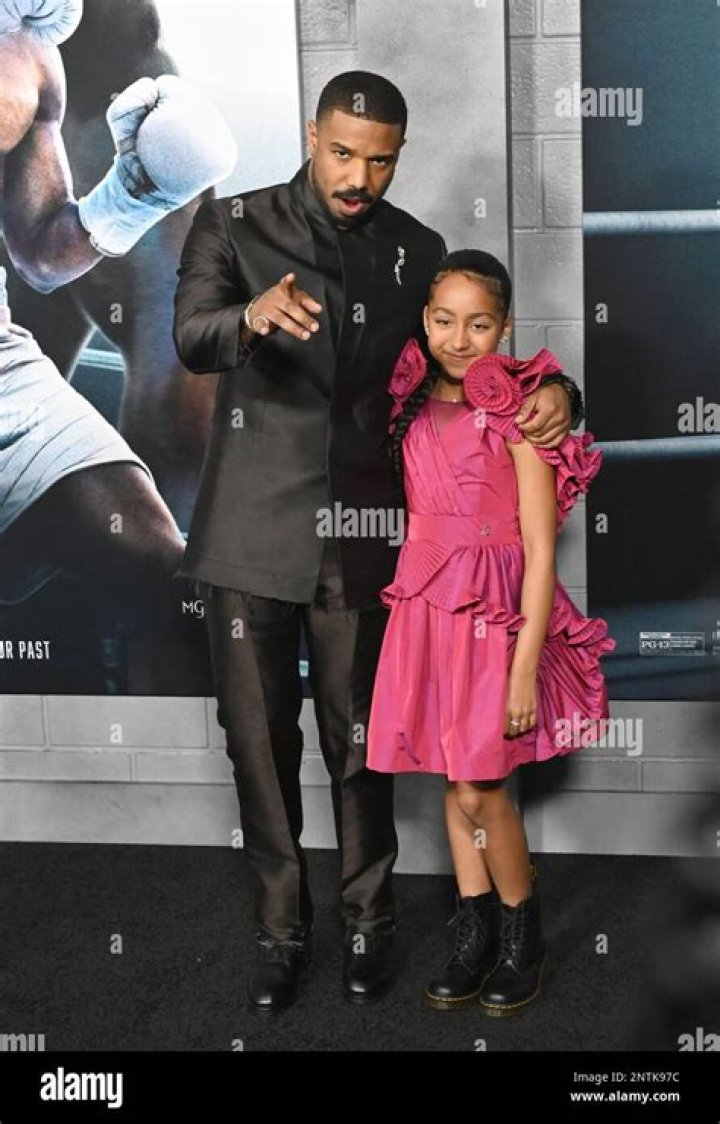
For example, if a picture of a celebrity is captured at a red carpet event, it suggests that the image was taken in a public setting with the consent of the subject. On the other hand, if a picture of an individual is captured in a private residence without their knowledge, it raises concerns about privacy and unauthorized use of the image.
Understanding the location where a picture was captured is essential for researchers, journalists, and anyone working with or analyzing images. It helps ensure responsible and ethical use of images, protects the privacy of individuals, and contributes to the accurate and informed interpretation of visual content.
Date and time
The date and time at which a picture was taken is an important component of "where was a picture of her filmed" because it can provide valuable information about the context and circumstances surrounding the image. Knowing the date and time can help determine the following:
- The time of day and lighting conditions
- Whether the picture was taken during a specific event or occasion
- The subject's activities and whereabouts at the time the picture was taken
For example, if a picture of a celebrity is captured on the red carpet at a movie premiere, the date and time of the event can help verify the authenticity of the picture and provide context for the subject's appearance. Additionally, knowing the date and time of a picture can help identify potential manipulations or alterations, such as those made to change the subject's appearance or the background of the image.
Understanding the significance of the date and time when analyzing "where was a picture of her filmed" is essential for researchers, journalists, and anyone working with or analyzing images. It helps ensure responsible and ethical use of images, protects the privacy of individuals, and contributes to the accurate and informed interpretation of visual content.
Photographer
The photographer plays a crucial role in determining "where was a picture of her filmed" because they possess unique knowledge and insights into the circumstances surrounding the image. Here are four key facets to consider:
- Perspective and Interpretation: The photographer's perspective and interpretation can significantly influence the location and composition of the picture. Their artistic vision, technical skills, and personal experiences shape the way they capture and present the subject.
- Technical Expertise: The photographer's technical expertise, including their understanding of lighting, composition, and camera equipment, directly impacts the location and quality of the picture. Their ability to operate the camera effectively and make appropriate technical decisions contributes to the overall visual representation of the subject.
- Relationship with the Subject: The photographer's relationship with the subject can influence their choice of location and the way they portray the subject. A close relationship or rapport with the subject may allow for more intimate and personal images, while a more distant relationship may result in more formal or objective shots.
- Ethical Considerations: The photographer's ethical considerations, such as respecting the privacy and consent of the subject, can determine the location and manner in which the picture is taken. They have a responsibility to balance their artistic vision with the rights and well-being of the subject.
Understanding the connection between the photographer and "where was a picture of her filmed" is essential for evaluating the context, authenticity, and ethical implications of the picture. It helps ensure responsible and ethical use of images, protects the privacy of individuals, and contributes to the accurate and informed interpretation of visual content.
Camera
The camera used to capture an image plays a significant role in determining "where was a picture of her filmed" by influencing the following aspects:
- Lens and focal length: The lens and focal length of the camera affect the field of view and perspective of the image. A wide-angle lens captures a broader field of view, while a telephoto lens narrows the field of view and brings distant objects closer. The choice of lens and focal length can significantly alter the composition and location of the subject within the frame.
- Sensor size and resolution: The size and resolution of the camera's sensor impact the quality and detail of the image. A larger sensor with higher resolution captures more light and produces sharper, more detailed images, allowing for better identification of the location and subject.
- Camera settings: Camera settings such as aperture, shutter speed, and ISO can influence the exposure and depth of field of the image. Adjusting these settings can affect the brightness, contrast, and focus of the image, which can impact the visibility and recognition of the location and subject.
- Camera features: Advanced cameras may offer additional features such as image stabilization, autofocus, and GPS tagging. These features can enhance the stability, sharpness, and geotagging capabilities of the camera, providing more accurate information about the location where the picture was filmed.
Understanding the connection between the camera and "where was a picture of her filmed" is crucial for analyzing the technical aspects and image quality that contribute to the identification of the location and subject. It helps ensure responsible and ethical use of images, protects the privacy of individuals, and contributes to the accurate and informed interpretation of visual content.
Metadata
Metadata plays a crucial role in determining "where was a picture of her filmed" by providing valuable information embedded within the image file. This data offers insights into the following aspects:
- Location Data: Metadata can contain GPS coordinates or location tags that indicate the precise location where the picture was taken. This information is particularly useful for geotagging images and identifying the specific place or landmark featured in the picture.
- Date and Time: Metadata often includes the date and time when the picture was captured. This information helps establish a timeline of events and provides context for the image. It can be crucial for verifying the authenticity of the picture and identifying potential alterations or manipulations.
- Camera Settings: Metadata may also contain information about the camera settings used to capture the picture, such as the aperture, shutter speed, and ISO. This data can provide insights into the technical conditions under which the picture was taken and can be useful for analyzing the image quality and authenticity.
- Editing History: Some metadata may include a history of editing operations performed on the image. This information can reveal whether the image has been cropped, resized, or otherwise altered, which can impact the accuracy of identifying the location and context of the picture.
By analyzing the metadata associated with an image, it is possible to gather valuable information that contributes to determining "where was a picture of her filmed." This data provides a deeper understanding of the image's context, authenticity, and technical details, which are essential for responsible and ethical use of visual content.
Reverse image search
Reverse image search plays a crucial role in determining "where was a picture of her filmed" by enabling the identification of similar images and providing potential clues about the location. This technique involves using an image as a query to search for visually similar images across the internet. It is particularly useful when the original source or context of an image is unknown.
By conducting a reverse image search, it is possible to find other instances of the same or similar image, along with additional information such as the websites or platforms where the image has been shared. This can lead to the discovery of the original source of the image, which may contain metadata or contextual information that can help pinpoint the location where the picture was filmed.
For example, if a picture of an unknown location is found on social media, a reverse image search can be performed to find similar images that have been geolocated. By examining the location data associated with these similar images, it may be possible to identify the specific place where the original picture was taken.
Reverse image search is a valuable tool for researchers, journalists, and anyone seeking to verify the authenticity of an image or determine its origin and context. It contributes to a more informed and responsible use of visual content by helping to identify the location where a picture was filmed and uncover potential privacy concerns or copyright violations.
Social Media
Social media platforms have become a prevalent avenue for users to share their experiences, including photographs and videos, which often contain valuable location information. This connection between social media and image-sharing presents a significant opportunity in determining "where was a picture of her filmed" and offers several key advantages:
- Geotagging and Location Services: Many social media platforms offer geotagging features that allow users to add the location where a picture was taken. This information is embedded in the image's metadata and can be used to pinpoint the exact spot where the picture was filmed.
- User-Generated Content: Social media thrives on user-generated content, where individuals share their own images and videos. By exploring social media feeds and searching for relevant hashtags or keywords, it is possible to discover images of a particular person or location, which may provide clues about where a specific picture was filmed.
- Social Media Profiles: Social media profiles often contain information about users' locations, including their hometown, current city, or frequently visited places. By examining a person's social media profile, it is possible to identify potential locations where they may have taken a picture.
- Location-Based Filters: Some social media platforms offer location-based filters that allow users to add stylized effects or overlays to their images based on their current location. By identifying the filter used in a picture, it is possible to determine the general area where it was taken.
By leveraging the features and user-generated content available on social media platforms, researchers, journalists, and private investigators can gather valuable information that contributes to determining "where was a picture of her filmed." This information can help verify the authenticity of images, uncover potential privacy concerns, and provide a deeper understanding of the context surrounding a picture.
Privacy concerns
Determining "where was a picture of her filmed" is closely intertwined with privacy concerns, as it involves understanding the potential risks to an individual's privacy when their image is shared or used without their consent. Several key facets to consider include:
- Unauthorized Use: Images can be used for various purposes beyond their intended context, potentially violating an individual's privacy. Unauthorized use can range from commercial exploitation to creating deepfakes or spreading misinformation.
- Loss of Control: Once an image is shared online, the individual loses control over its distribution and usage. It can be easily copied, modified, or shared without their knowledge or permission.
- Harassment and Cyberbullying: Images can be used as a tool for harassment or cyberbullying, causing emotional distress and reputational damage to the individual.
- : Taking or sharing pictures of someone in private settings, such as their home or without their knowledge, can constitute an .
Understanding these privacy concerns is crucial when determining "where was a picture of her filmed." It highlights the importance of respecting individuals' privacy rights, obtaining their consent before sharing or using their images, and being mindful of the potential consequences of unauthorized use.
Legal implications
The connection between "Legal implications: The laws and regulations surrounding the use and distribution of images." and "where was a picture of her filmed" lies in understanding the legal framework that governs the use and distribution of images, which directly impacts the determination of where and under what circumstances a picture was filmed.
Laws and regulations vary across jurisdictions, but generally, the use and distribution of images involving an identifiable person require their consent. Determining "where was a picture of her filmed" often involves identifying the location where the individual was photographed, which may have implications for the applicable laws and regulations.
For instance, in many countries, there are specific laws governing the use of images taken in public places versus private property. Understanding these legal implications is crucial to avoid potential legal violations, such as invasion of privacy or copyright infringement.
Moreover, legal implications extend beyond the initial filming of an image to its subsequent distribution and use. Unauthorized distribution or use of an image, even if it was legally obtained, can lead to legal consequences.
Therefore, determining "where was a picture of her filmed" requires an understanding of not only the physical location but also the legal context surrounding the image's capture and subsequent use. This understanding helps ensure compliance with relevant laws and regulations, protects individuals' privacy rights, and prevents potential legal liabilities.
Ethical considerations
Exploring the connection between "Ethical considerations: The moral and ethical responsibilities involved in sharing and using images of others." and "where was a picture of her filmed" reveals the profound impact ethical considerations have on determining where and under what circumstances a picture was filmed.
Ethical considerations serve as a fundamental component of "where was a picture of her filmed" because they shape the responsible and respectful use of images involving identifiable individuals. It encompasses understanding the legal implications, respecting privacy rights, obtaining consent, and avoiding potential harm or exploitation.
For instance, determining "where was a picture of her filmed" may involve identifying the location where an individual was photographed without their knowledge or consent. Ethical considerations dictate that such an image should not be shared or used without addressing the individual's privacy concerns and obtaining their consent. This understanding helps preventor unauthorized use of personal images.
Moreover, ethical considerations extend to the context and purpose of using an image. Determining "where was a picture of her filmed" may reveal that the image was taken in a private setting or involves sensitive information. In such cases, ethical considerations require careful evaluation of the potential consequences and the need to protect the individual's privacy and well-being.
By integrating ethical considerations into the process of determining "where was a picture of her filmed," we ensure that the use and distribution of images align with moral and ethical values. It fosters responsible practices, protects individuals' rights, and promotes trust in the use of visual content.
Frequently Asked Questions about "Where Was a Picture of Her Filmed"
This section addresses common questions and concerns related to determining the location where a picture of a specific person was filmed.
Question 1: How can I find out where a picture of someone was filmed?
Answer: There are several techniques to determine the location of a filmed picture. Examining the image's metadata, conducting a reverse image search, and utilizing social media platforms can provide valuable clues. Additionally, geotagging features and location-based filters offered by social media can directly indicate the filming location.
Question 2: Why is it important to know where a picture was filmed?
Answer: Determining the filming location of a picture holds significance for various reasons. It aids in verifying the authenticity of an image, understanding the context surrounding the subject, and identifying potential privacy concerns. Moreover, knowing the location can assist in uncovering the subject's activities and whereabouts at a particular time.
Question 3: What are the ethical considerations involved in sharing pictures of others?
Answer: Ethical considerations play a crucial role in sharing pictures of others. It is essential to respect the privacy rights of individuals, obtain their consent before using their images, and avoid causing harm or exploitation. Unauthorized use of personal images can lead to legal consequences and reputational damage.
Question 4: What legal implications should I be aware of when using pictures of others?
Answer: Legal implications vary across jurisdictions; however, it is generally required to obtain consent from identifiable individuals before using their images. Unauthorized use can result in legal violations, such as invasion of privacy or copyright infringement. Additionally, it is important to consider the context and purpose of using an image to avoid potential legal liabilities.
Question 5: How can I protect my privacy when it comes to pictures of me being shared online?
Answer: To protect your privacy, be cautious about sharing personal images online. Adjust your social media privacy settings to control who can view and share your pictures. Regularly review and remove any unauthorized or unwanted images of yourself. If you encounter privacy violations, report them to the platforms and consider legal options.
Question 6: What are the consequences of using a picture of someone without their consent?
Answer: Using a picture of someone without their consent can have several consequences. It can violate their privacy rights and lead to legal actions, such as lawsuits. Additionally, it can damage your reputation and harm your relationships with others. Always prioritize obtaining consent before using someone's image to avoid these negative outcomes.
Knowing the answers to these frequently asked questions empowers you to navigate the complexities surrounding "where was a picture of her filmed." By considering the ethical, legal, and privacy implications, you can use and share images responsibly while respecting the rights of others.
For further exploration, refer to the next section of this article for an in-depth analysis of the topic.
Tips for Determining "Where was a Picture of Her Filmed"
To effectively determine the location where a picture of a person was filmed, consider implementing these practical tips:
Tip 1: Examine Image Metadata
Image metadata often holds valuable information, including the location where the picture was taken. Utilize tools or software to extract metadata and uncover potential clues about the filming location.
Tip 2: Conduct Reverse Image Search
Reverse image search engines allow you to search for visually similar images across the internet. By uploading the picture in question, you can find instances of the same image or similar ones that may provide additional context or location information.
Tip 3: Leverage Social Media
Social media platforms offer a wealth of information, including geotagging features and user-generated content. Explore social media profiles and search for relevant hashtags to discover images of the person or location, potentially revealing the filming location.
Tip 4: Consider Legal Implications
Be aware of the legal implications surrounding the use of images involving identifiable individuals. Obtain consent before sharing or using pictures, and adhere to copyright laws to avoid potential legal violations.
Tip 5: Prioritize Ethical Considerations
Respect the privacy rights of individuals and prioritize ethical considerations when using or sharing images. Avoid unauthorized use of personal images and be mindful of the potential consequences of your actions.
Tip 6: Utilize Location-Based Tools
Certain tools, such as Google Earth or GPS tracking apps, can assist in identifying the filming location by matching visual landmarks or geospatial data with the image.
Tip 7: Contact the Person or Photographer
If possible, reach out to the person in the picture or the photographer who took it. They may be willing to provide information about the filming location or share additional context.
Summary
By implementing these tips, you can enhance your ability to determine "where was a picture of her filmed." Remember to approach the process with respect for privacy, legal compliance, and ethical considerations.
Conclusion
Determining "where was a picture of her filmed" involves a multifaceted exploration of technical, legal, ethical, and privacy considerations. By examining image metadata, conducting reverse image searches, leveraging social media, and considering geospatial information, we can uncover valuable clues about the filming location.
It is crucial to approach this process with respect for the individual's privacy and adherence to copyright laws. Ethical considerations should guide our use and sharing of images, ensuring that we do not violate the rights of others. By embracing responsible practices, we can contribute to a digital environment where visual content is used ethically, legally, and respectfully.
Patricia Lee Lloyd: Unveiling The Pioneer Of UNIX And Computer Security
Unveiling David Pakman's Private Life: Uncover The Woman Behind The Microphone
Troy Gentile's Net Worth: Exclusive Revelations And Expert Analysis