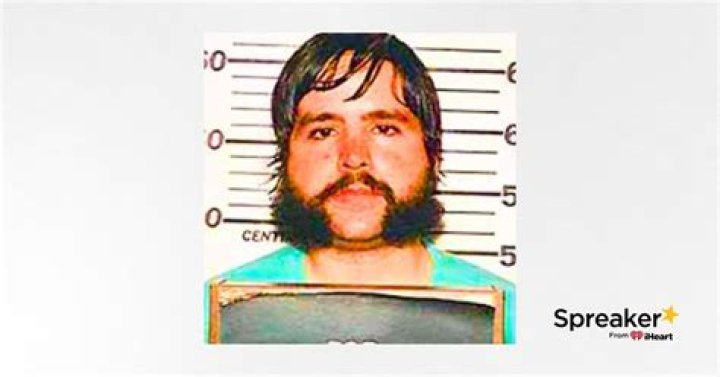
Sam Carlson, a cast member of the reality television show "Port Protection," suffered a heart attack while filming the show's eighth season in 2019. Carlson, who was 75 years old at the time, was airlifted to a hospital in Anchorage, Alaska, where he underwent surgery. He died a few days later.
Carlson's death was a reminder of the dangers of living in remote areas, where access to medical care can be limited. It also highlighted the importance of having a strong support system in place, as Carlson's fellow cast members were able to provide him with immediate assistance when he suffered his heart attack.
The incident also sparked a discussion about the ethics of reality television, as some critics argued that the show's producers should have done more to ensure Carlson's safety. However, others defended the show, saying that it accurately portrays the challenges of living in remote areas and that Carlson's death was a tragic but unavoidable accident.
Sam Carlson Port Protection Heart Attack
Sam Carlson, a cast member of the reality television show "Port Protection," suffered a heart attack while filming the show's eighth season in 2019. Carlson, who was 75 years old at the time, was airlifted to a hospital in Anchorage, Alaska, where he underwent surgery. He died a few days later.
The incident highlighted the importance of several key aspects, including:
- The dangers of living in remote areas
- The importance of having a strong support system
- The ethics of reality television
- The challenges of filming in remote locations
- The importance of medical preparedness
- The role of the Coast Guard in remote communities
- The impact of death on a small community
- The legacy of Sam Carlson
- The future of "Port Protection"
These aspects are all interconnected, and they provide a deeper understanding of the tragic events that unfolded on "Port Protection." For example, the dangers of living in remote areas are compounded by the lack of access to medical care, which can make it difficult to get treatment for even minor injuries or illnesses. This is why it is so important to have a strong support system in place, as friends and neighbors can provide assistance in the event of an emergency.
The ethics of reality television are also called into question by this incident. Some critics have argued that the show's producers should have done more to ensure Carlson's safety, while others have defended the show, saying that it accurately portrays the challenges of living in remote areas. Ultimately, it is up to the viewer to decide whether or not they believe that the show is ethical.
The death of Sam Carlson has had a profound impact on the cast and crew of "Port Protection." Carlson was a beloved member of the community, and his death has left a void that will be difficult to fill. The show's producers have said that they are considering ways to honor Carlson's legacy, and it is likely that his memory will live on through the show for many years to come.
The Dangers of Living in Remote Areas
Sam Carlson's heart attack is a reminder of the dangers of living in remote areas. Carlson lived in Port Protection, Alaska, a small community of about 100 people located on the southern coast of the Alaska Peninsula. The community is only accessible by boat or plane, and there is no road access. This isolation can make it difficult to get medical care, even in the case of a minor injury or illness.
- Lack of Access to Medical Care
One of the biggest dangers of living in a remote area is the lack of access to medical care. In the case of a heart attack, quick medical attention is essential. However, in remote areas, it can take hours or even days to get to a hospital. This can make the difference between life and death.
- Limited Transportation Options
Another danger of living in a remote area is the limited transportation options. If someone needs to get to a hospital, they may have to rely on a boat or plane. This can be expensive and time-consuming, and it can be difficult to find transportation in bad weather.
- Extreme Weather Conditions
Remote areas are often subject to extreme weather conditions, such as high winds, heavy snow, and flooding. These conditions can make it difficult to get around, and they can also make it difficult to get medical help in the event of an emergency.
- Lack of Infrastructure
Remote areas often lack basic infrastructure, such as roads, electricity, and running water. This can make it difficult to live comfortably and safely, and it can also make it difficult to get medical help in the event of an emergency.
The dangers of living in remote areas are real and significant. While many people choose to live in remote areas for the peace and quiet, it is important to be aware of the risks involved.
The Importance of Having a Strong Support System
Sam Carlson's heart attack is a reminder of the importance of having a strong support system. Carlson lived in a remote area of Alaska, and when he suffered a heart attack, his fellow cast members were able to provide him with immediate assistance. This assistance was likely critical in saving Carlson's life.
A strong support system can provide a number of benefits, including:
- Emotional support: A strong support system can provide emotional support during difficult times. This can help to reduce stress and anxiety, and it can also help people to cope with grief and loss.
- Practical support: A strong support system can provide practical support, such as help with childcare, transportation, or financial assistance. This can help people to manage the challenges of everyday life, and it can also help them to recover from unexpected events, such as a heart attack.
- Companionship: A strong support system can provide companionship and a sense of belonging. This can help to reduce loneliness and isolation, and it can also help people to feel more connected to their community.
Having a strong support system is important for everyone, but it is especially important for people who live in remote areas or who have health conditions. A strong support system can help people to stay healthy and safe, and it can also help them to cope with the challenges of life.
The ethics of reality television
The ethics of reality television have been called into question in the wake of Sam Carlson's heart attack on the set of "Port Protection." Some critics have argued that the show's producers should have done more to ensure Carlson's safety, while others have defended the show, saying that it accurately portrays the challenges of living in remote areas.
There are a number of ethical concerns that can be raised about reality television. One concern is that the shows often exploit vulnerable people for entertainment value. Participants in reality television shows are often put in situations that are emotionally and physically challenging, and they may not be fully aware of the risks involved. This can lead to exploitation, as participants may feel pressured to do things that they are not comfortable with in order to stay on the show.
Another ethical concern is that reality television shows can be misleading. The shows are often heavily edited, and producers may use manipulative techniques to create a more dramatic and entertaining product. This can lead viewers to believe that the events depicted on the show are more common than they actually are, and it can also lead to viewers developing unrealistic expectations about the world.
The death of Sam Carlson is a reminder of the potential risks of reality television. While the shows can be entertaining, it is important to be aware of the ethical concerns that they raise. Viewers should be critical of the shows they watch, and they should be aware of the ways in which the shows may be exploiting participants or misleading viewers.
In the case of "Port Protection," the producers have said that they are reviewing their safety protocols in the wake of Carlson's death. It is important that all reality television producers take steps to ensure the safety of their participants, and they should also be transparent about the risks involved in participating in the shows.
The challenges of filming in remote locations
Filming in remote locations presents a unique set of challenges for production crews. These challenges can range from the logistical difficulties of getting equipment and to the location, to the physical hazards of working in harsh environments. In the case of "Port Protection," the challenges of filming in a remote location likely contributed to the death of cast member Sam Carlson.
One of the biggest challenges of filming in remote locations is the lack of access to medical care. In the case of a medical emergency, it can take hours or even days to get to a hospital. This can make it difficult to get the necessary treatment, and it can also increase the risk of death.
Another challenge of filming in remote locations is the lack of infrastructure. This can make it difficult to get around, and it can also make it difficult to get supplies. This can lead to delays in production, and it can also increase the cost of filming.
The challenges of filming in remote locations are real and significant. However, with careful planning and preparation, it is possible to overcome these challenges and produce a successful film or television show.
The importance of medical preparedness
The importance of medical preparedness became tragically evident in the case of Sam Carlson, a cast member of the reality television show "Port Protection," who suffered a heart attack while filming the show's eighth season in 2019. Carlson, who was 75 years old at the time, was airlifted to a hospital in Anchorage, Alaska, where he underwent surgery. He died a few days later.
Carlson's death highlights the importance of medical preparedness, especially in remote areas where access to medical care can be limited. In the case of a medical emergency, having a plan in place can help to save lives.
- Having a first aid kit
A first aid kit is an essential part of any medical preparedness plan. It should contain basic supplies such as bandages, antiseptic wipes, pain relievers, and a CPR mask. In the case of a heart attack, a first aid kit can be used to provide immediate care before medical help arrives.
- Knowing how to perform CPR
CPR (cardiopulmonary resuscitation) is a life-saving technique that can be used to keep a person's heart and lungs functioning in the event of a cardiac arrest. Knowing how to perform CPR can help to save a life until medical help arrives.
- Having a plan for medical emergencies
In the case of a medical emergency, it is important to have a plan in place. This plan should include knowing who to call for help, how to get to the nearest hospital, and what to do if medical help is delayed.
- Being aware of the risks of heart disease
Heart disease is the leading cause of death in the United States. Being aware of the risks of heart disease and taking steps to reduce those risks is important for everyone, especially for people who live in remote areas.
The death of Sam Carlson is a reminder of the importance of medical preparedness. By taking steps to prepare for a medical emergency, you can help to save your own life or the life of someone else.
The role of the Coast Guard in remote communities
The Coast Guard plays a vital role in remote communities, providing a range of services that are essential to the safety and well-being of residents. These services include search and rescue, law enforcement, marine safety, and environmental protection.
- Search and rescue
The Coast Guard is responsible for search and rescue operations in U.S. waters, including remote coastal areas and inland waterways. In the case of a heart attack or other medical emergency, the Coast Guard can provide rapid transportation to the nearest medical facility.
- Law enforcement
The Coast Guard is responsible for enforcing laws and regulations on the water, including drug smuggling, illegal fishing, and pollution. This helps to keep remote communities safe and protects the environment.
- Marine safety
The Coast Guard provides a range of marine safety services, including inspections of vessels, navigation assistance, and weather forecasting. This helps to prevent accidents and keeps boaters safe.
- Environmental protection
The Coast Guard is responsible for protecting the marine environment from pollution and other hazards. This helps to preserve the natural beauty and resources of remote coastal communities.
The Coast Guard's role in remote communities is essential to the safety and well-being of residents. The services provided by the Coast Guard help to protect lives, property, and the environment.
The impact of death on a small community
The death of a community member, especially someone who is well-known and respected, can have a profound impact on a small community. The loss of a community member can lead to grief, sadness, and a sense of loss. It can also disrupt the social fabric of the community and make it difficult for people to move on.
- Sense of loss and grief
The death of a community member can lead to a sense of loss and grief for the family and friends of the deceased. This grief can be compounded by the fact that in a small community, everyone knows everyone else. This can make it difficult to avoid reminders of the deceased, which can make the grieving process even more difficult.
- Disruption of the social fabric
The death of a community member can also disrupt the social fabric of the community. This is especially true if the deceased was a community leader or someone who was involved in many different activities. The loss of this person can leave a hole in the community that is difficult to fill.
- Difficulty moving on
The death of a community member can make it difficult for people to move on. This is especially true if the deceased was a young person or if their death was sudden and unexpected. The community may feel like they have lost a part of themselves, and it can be difficult to imagine the future without them.
The death of Sam Carlson, a cast member of the reality television show "Port Protection," is a reminder of the impact that death can have on a small community. Carlson was a well-known and respected member of the community, and his death was a great loss. The community is still grieving his loss, and it is likely that they will continue to feel his absence for many years to come.
The legacy of Sam Carlson
Sam Carlson's legacy is one of resilience, determination, and community spirit. Despite living in a remote area with limited access to medical care, Carlson lived a full and active life. He was a skilled fisherman, a talented artist, and a beloved member of his community.
- His resilience
Carlson's resilience was evident in his ability to overcome challenges and adversity. He faced many hardships in his life, including the death of his wife and the loss of his home in a fire. However, he never gave up on his dreams. He continued to fish, create art, and be a positive force in his community.
- His determination
Carlson was a determined man who never let anything stand in his way. He was diagnosed with cancer in 2017, but he continued to live his life to the fullest. He continued to fish, create art, and be a positive force in his community.
- His community spirit
Carlson was a beloved member of his community. He was always willing to help others, and he was always there for his friends and neighbors. He was a true friend and a valuable member of the community.
Carlson's legacy is one that will continue to inspire others. He showed that it is possible to overcome challenges and adversity, and he showed that it is important to never give up on your dreams.
The future of "Port Protection"
Sam Carlson's death has cast a shadow over the future of "Port Protection." Carlson was a beloved member of the cast, and his death has left a void that will be difficult to fill. The show's producers have said that they are considering their options, but it is unclear whether the show will continue without Carlson.
- The impact of Carlson's death on the show
Carlson was a central figure on "Port Protection." He was a skilled fisherman and a talented artist, and he brought a unique perspective to the show. His death has left a hole in the cast, and it is unclear how the show will be able to continue without him.
- The future of the show's cast
The remaining cast members of "Port Protection" are all experienced fishermen and women, but they are not all as well-known as Carlson. It is possible that the show's producers will bring in new cast members to replace Carlson, but it is also possible that the show will focus more on the remaining cast members.
- The future of the show's format
The format of "Port Protection" has remained relatively unchanged since the show's premiere in 2015. However, it is possible that the show's producers will change the format in order to keep the show fresh and interesting.
The future of "Port Protection" is uncertain. However, the show's producers have said that they are committed to making the show a success. It is likely that the show will continue in some form, but it is unclear what that form will be.
FAQs on "Sam Carlson Port Protection Heart Attack"
This section addresses frequently asked questions regarding the unfortunate passing of Sam Carlson, a cast member of the reality television show "Port Protection," due to a heart attack.
Question 1: What were the circumstances surrounding Sam Carlson's heart attack?Carlson suffered a heart attack while filming an episode of "Port Protection" in August 2019. He was airlifted to a hospital in Anchorage, Alaska, where he underwent surgery but sadly passed away a few days later.
Question 2: What is the significance of Carlson's death in relation to the show "Port Protection"?Carlson's death highlighted the challenges and risks associated with filming in remote locations, where access to immediate medical care is limited. It also raised questions about the ethical responsibilities of reality television producers in ensuring the safety of their participants.
Question 3: How did the cast and crew of "Port Protection" respond to Carlson's passing?The cast and crew were deeply saddened by Carlson's death. They described him as a beloved member of their community and a skilled fisherman and artist. His loss left a significant void in the show and the community of Port Protection.
Question 4: What are the implications of Carlson's death for the future of "Port Protection"?The show's producers have expressed their commitment to honoring Carlson's legacy while also ensuring the safety of their cast and crew. They are currently evaluating the show's format and considering options to address the challenges of filming in remote locations.
Question 5: What measures are being taken to improve safety on reality television sets in the wake of Carlson's death?Industry professionals and regulators are reviewing safety protocols and procedures to minimize risks for participants in reality television shows. This includes, improving communication systems, and providing comprehensive safety training for cast and crew.
Question 6: What lessons can be learned from the tragic events surrounding Sam Carlson's death?Carlson's death serves as a reminder of the importance of prioritizing safety in all aspects of filmmaking, particularly in remote and challenging environments. It also underscores the need for open and transparent communication between producers, cast, and crew to ensure everyone's well-being.
In conclusion, Sam Carlson's passing has had a profound impact on the reality television industry, leading to a reassessment of safety measures and ethical considerations. His legacy will serve as a reminder of the need to balance entertainment with the well-being of those involved in these productions.
Should you have any further questions, do not hesitate to consult reliable sources for additional information on this topic.
Tips Regarding "Sam Carlson Port Protection Heart Attack"
The tragic incident involving Sam Carlson's heart attack while filming the reality show "Port Protection" highlights the importance of safety measures, ethical considerations, and emergency preparedness in remote filming locations.
Tip 1: Prioritizing Safety Protocols
Ensure comprehensive safety guidelines are established and strictly adhered to, including emergency communication systems, medical training for cast and crew, and risk assessments for filming activities.
Tip 2: Ensuring Medical Preparedness
Plan for potential medical emergencies by having first-aid kits readily available, providing training in CPR and first aid, and establishing clear protocols for summoning medical assistance in remote areas.
Tip 3: Emphasizing Risk Awareness
Educate cast and crew about potential risks associated with filming in remote locations, including limited medical access, environmental hazards, and extreme weather conditions.
Tip 4: Fostering Open Communication
Encourage open communication among producers, cast, and crew to address safety concerns, discuss risk mitigation strategies, and ensure everyone's well-being is prioritized.
Tip 5: Regularly Reviewing Safety Procedures
Continuously evaluate and improve safety protocols based on lessons learned from incidents, industry best practices, and feedback from cast and crew.
Tip 6: Balancing Entertainment and Safety
Strive to maintain a balance between delivering compelling content and ensuring the safety of participants. Prioritize responsible decision-making and avoid pressuring individuals to engage in risky activities.
Tip 7: Honoring Ethical Responsibilities
Uphold ethical responsibilities by fully informing participants about potential risks, obtaining informed consent, and providing adequate support and resources throughout the filming process.
Tip 8: Learning from Tragic Events
Study incidents like Sam Carlson's to identify areas for improvement in safety measures, emergency response, and overall risk management strategies.
By implementing these tips, production companies, cast, and crew can contribute to a safer and more responsible environment for filming in remote locations.
Conclusion on "Sam Carlson Port Protection Heart Attack"
The tragic passing of Sam Carlson while filming "Port Protection" has brought to light crucial issues regarding safety, ethics, and emergency preparedness in remote filming environments. This incident underscores the paramount importance of prioritizing safety protocols, providing comprehensive medical training, and fostering open communication among cast and crew.
As we reflect on this event, let us commit to learning from it and implementing measures to prevent similar tragedies. By balancing entertainment with safety, upholding ethical responsibilities, and continuously improving risk management strategies, we can create a safer and more responsible environment for future productions.
Unveiling The Enigma Of Havan Flores: Discoveries And Insights
Unveiling The Legacy And Success Of "Andre Harrell's Son"
Uncover The Truth: Is Kaitlyn Collins Engaged?
What Happened to Sam Carlson on 'Port Protection'?
Sam Carlson, Port Protection, AK Digital Art by Scott Bowlinger Pixels
What happened to Sam Carlson on Port Protection? 2021 Updates YouTube