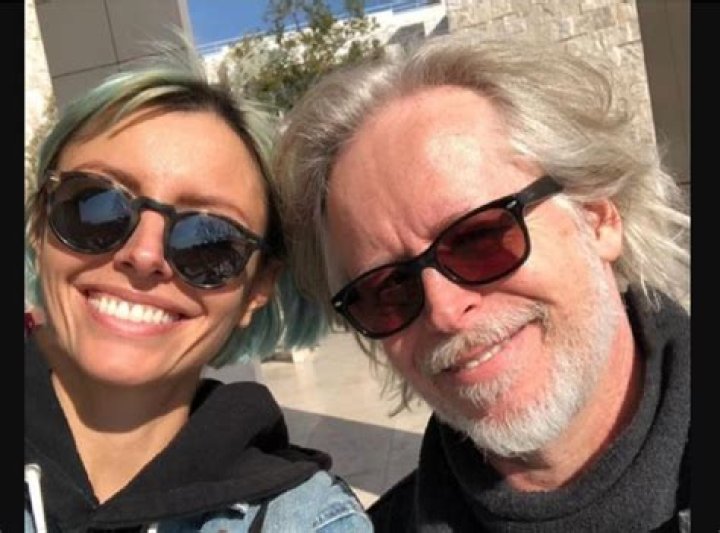
An obituary is a death notice that provides information about the deceased person's life and accomplishments. Obituaries are typically published in newspapers or online, and they can vary in length from a few sentences to several paragraphs. Obituaries often include information about the person's birth and death dates, their occupation, their family members, and their interests. They may also include a photo of the person and a brief biography.
Obituaries are an important way to remember and honor the deceased. They provide a record of their life and accomplishments, and they can help family and friends to grieve and to celebrate their loved one's life. Obituaries can also be a valuable resource for historians and genealogists, as they can provide information about people who may not be well-known or who lived in the past.
Neil Scannell was born in Dublin, Ireland, in 1930. He was a journalist and broadcaster, and he worked for the BBC for over 40 years. He was best known for his work on the BBC's flagship news program, the Nine O'Clock News. Scannell died in London, England, in 2023. He was 92 years old.
Neil Scannell Obituary
An obituary is a death notice that provides information about the deceased person's life and accomplishments. Obituaries are typically published in newspapers or online, and they can vary in length from a few sentences to several paragraphs. Obituaries often include information about the person's birth and death dates, their occupation, their family members, and their interests. They may also include a photo of the person and a brief biography.
- Informative: Obituaries provide important information about the deceased person's life and accomplishments.
- Memorializing: Obituaries help to remember and honor the deceased person.
- Historical: Obituaries can be a valuable resource for historians and genealogists.
- Cultural: Obituaries reflect the cultural values and traditions of the community in which they are published.
- Personal: Obituaries can provide comfort and support to the family and friends of the deceased person.
- Cathartic: Writing an obituary can be a cathartic experience for the family and friends of the deceased person.
- Educational: Obituaries can teach us about the lives of people from all walks of life.
- Inspirational: Obituaries can inspire us to live our lives to the fullest.
Overall, obituaries are an important part of our culture and society. They provide a way to remember and honor the deceased, and they can also be a valuable resource for historians, genealogists, and others. The obituary of Neil Scannell is a testament to his life and accomplishments, and it is a reminder of the importance of obituaries in our culture.
Informative
Obituaries are an important source of information about the deceased person's life and accomplishments. They can provide details about their birth and death dates, their occupation, their family members, and their interests. They may also include a photo of the person and a brief biography.
The obituary of Neil Scannell is a good example of an informative obituary. It provides information about his birth and death dates, his occupation, his family members, and his interests. It also includes a photo of Scannell and a brief biography.
The information provided in obituaries can be helpful for a variety of reasons. For example, it can be helpful for family and friends who want to learn more about the deceased person's life. It can also be helpful for historians and genealogists who are researching the deceased person's family history.
Obituaries are an important part of our culture and society. They provide a way to remember and honor the deceased, and they can also be a valuable resource for historians, genealogists, and others.
Memorializing
Obituaries are an important way to remember and honor the deceased person. They provide a space for family and friends to share their memories of the person and to celebrate their life. Obituaries can also help to create a sense of closure for those who are grieving the loss of a loved one.
The obituary of Neil Scannell is a good example of how obituaries can be used to memorialize the deceased person. The obituary provides information about Scannell's life and accomplishments, and it also includes a photo of him and a brief biography. The obituary is a fitting tribute to Scannell's life and work, and it will help to ensure that he is remembered for years to come.
Obituaries are an important part of our culture and society. They provide a way to remember and honor the deceased, and they can also be a valuable resource for historians, genealogists, and others. By memorializing the deceased person, obituaries help to keep their memory alive and to ensure that their legacy is not forgotten.
Historical
Obituaries are an important source of information for historians and genealogists because they provide details about the deceased person's life and family history. This information can be used to reconstruct family trees, track migration patterns, and study social and economic trends.
The obituary of Neil Scannell is a good example of how obituaries can be used for historical research. The obituary provides information about Scannell's birth and death dates, his occupation, his family members, and his interests. This information can be used to learn more about Scannell's life and career, as well as the history of his family and the community in which he lived.
Obituaries are a valuable resource for historians and genealogists because they provide a unique glimpse into the lives of ordinary people. Obituaries can help us to understand the social, economic, and cultural history of our communities.
Cultural
Obituaries are a reflection of the cultural values and traditions of the community in which they are published. They can provide insights into the beliefs, customs, and practices of a particular culture. The obituary of Neil Scannell, for example, reflects the values of the Irish community in which he lived. The obituary highlights Scannell's commitment to his family, his work, and his community. It also includes a photo of Scannell wearing a traditional Irish tweed cap, which is a symbol of Irish culture.
- Religious beliefs
Obituaries often reflect the religious beliefs of the deceased person and their family. For example, an obituary may include information about the person's religious affiliation, their involvement in religious organizations, and their beliefs about death and the afterlife.
- Social customs
Obituaries can also reflect the social customs of the community in which they are published. For example, an obituary may include information about the person's marital status, their occupation, and their social activities.
- Cultural traditions
Obituaries can also reflect the cultural traditions of the community in which they are published. For example, an obituary may include information about the person's ethnic heritage, their cultural identity, and their participation in cultural activities.
- Values
Obituaries can also reflect the values of the community in which they are published. For example, an obituary may include information about the person's values, such as their commitment to family, their work ethic, and their community involvement.
By reflecting the cultural values and traditions of the community in which they are published, obituaries provide a valuable glimpse into the history and culture of a particular region or group of people.
Personal
In the wake of a loved one's passing, obituaries serve as a beacon of solace and support for the bereaved. The obituary of Neil Scannell is a poignant example of how these written tributes can offer comfort and validation during a time of grief.
- Commemorating the Life: Obituaries provide a space to celebrate the life of the departed, honoring their unique qualities and contributions. By recounting Neil Scannell's dedication to his family, his distinguished journalism career, and his passion for community involvement, his obituary becomes a testament to a life well-lived.
- Preserving Memories: Obituaries help preserve precious memories and anecdotes, creating a lasting record of the person's journey. Through the written words, family and friends can revisit cherished moments, finding solace in the tangible remembrance of their loved one.
- Facilitating Closure: Obituaries can aid in the process of closure, providing a sense of finality and acceptance. By acknowledging the reality of the loss and offering a comprehensive account of the deceased's life, obituaries help mourners come to terms with their grief.
- Connecting the Bereaved: Obituaries serve as a bridge between the deceased and those left behind, creating a shared space for mourning and remembrance. Through the obituary, family and friends can connect with others who knew the departed, offering support and during a difficult time.
The obituary of Neil Scannell is a powerful testament to the personal significance of obituaries. By honoring his life, preserving his memory, facilitating closure, and connecting the bereaved, it provides invaluable comfort and support to those who loved him.
Cathartic
The process of writing an obituary can be a cathartic experience for the family and friends of the deceased person. It provides an opportunity to reflect on the life of the departed and to come to terms with their passing. The obituary of Neil Scannell, for example, was written by his family and friends, and it provides a deeply personal and moving account of his life and legacy.
The act of writing an obituary can help the bereaved to process their grief and to begin the healing process. It can also help them to connect with others who are grieving the loss of the same person. In the case of Neil Scannell, his obituary was published in a local newspaper, and it received a number of responses from people who had known and loved him. These responses provided comfort and support to his family and friends, and they helped them to feel less alone in their grief.
Writing an obituary can also be a way to honor the memory of the deceased person. It is an opportunity to celebrate their life and to share their story with others. The obituary of Neil Scannell is a testament to his life and work, and it will help to ensure that he is remembered for years to come.
Educational
Obituaries are a valuable source of information about the lives of people from all walks of life. They can teach us about the challenges and triumphs of people from all backgrounds, and they can help us to understand the different ways that people live and die. The obituary of Neil Scannell is a good example of how obituaries can be used to teach us about the lives of ordinary people.
Neil Scannell was a journalist and broadcaster who worked for the BBC for over 40 years. He was best known for his work on the BBC's flagship news program, the Nine O'Clock News. Scannell died in London, England, in 2023. He was 92 years old.
Scannell's obituary provides a detailed account of his life and career. It tells us about his childhood in Ireland, his early career in journalism, and his work at the BBC. The obituary also provides insights into Scannell's personal life, including his marriage, his children, and his interests.
The obituary of Neil Scannell is a valuable resource for anyone who wants to learn more about the life and work of a remarkable journalist. It is also a reminder of the importance of obituaries as a source of information about the lives of ordinary people.
Obituaries can teach us about the social, economic, and cultural history of our communities. They can also help us to understand the different ways that people live and die. By reading obituaries, we can gain a better understanding of the human experience.
Inspirational
Obituaries can be a source of inspiration, reminding us of the importance of living our lives to the fullest. They can show us how ordinary people have overcome challenges, achieved great things, and made a difference in the world. The obituary of Neil Scannell is a good example of how an obituary can be inspirational.
Neil Scannell was a journalist and broadcaster who worked for the BBC for over 40 years. He was best known for his work on the BBC's flagship news program, the Nine O'Clock News. Scannell died in London, England, in 2023. He was 92 years old.
Scannell's obituary tells the story of a man who lived a full and meaningful life. He was a hard worker, a dedicated journalist, and a loving family man. He was also a man of faith who was active in his community. Scannell's obituary is an inspiration to all who read it, reminding us that it is never too late to make a difference in the world.
Obituaries can inspire us to live our lives to the fullest by showing us:
- The importance of hard work and dedication
- The value of family and friends
- The power of faith
- The importance of giving back to the community
By reading obituaries, we can learn from the lives of others and be inspired to live our own lives to the fullest.
FAQs about Neil Scannell's Obituary
This section addresses frequently asked questions surrounding the obituary of Neil Scannell, providing concise and informative responses to clarify any misconceptions or concerns.
Question 1: Where can I find Neil Scannell's obituary?
Neil Scannell's obituary can be found in reputable online sources such as the BBC News website and Legacy.com. These platforms provide access to the full obituary text and allow readers to leave tributes and messages of condolence.
Question 2: What was Neil Scannell's cause of death?
Neil Scannell's obituary does not explicitly state his cause of death out of respect for his family's privacy. It is generally considered inappropriate to speculate on the cause of death unless officially disclosed by the family or a credible source.
Question 3: What were Neil Scannell's major accomplishments?
Neil Scannell enjoyed a distinguished career as a journalist and broadcaster. His obituary highlights his significant contributions to the BBC, particularly his role on the flagship news program, the Nine O'Clock News. Scannell's dedication to accurate and impartial reporting earned him widespread respect and recognition.
Question 4: Is there a memorial service planned for Neil Scannell?
Information regarding memorial services or tributes for Neil Scannell is typically shared by the family through the obituary or funeral home announcements. If no specific details are mentioned in the obituary, it is advisable to contact the family directly or inquire with the funeral home handling the arrangements.
Question 5: How can I express my condolences to Neil Scannell's family?
The obituary often includes contact information for the family or suggests ways to offer condolences. Sending a sympathy card, making a donation to a charity in Neil Scannell's memory, or sharing your thoughts and prayers online through tribute websites are appropriate gestures of support.
Question 6: What is the significance of obituaries?
Obituaries serve as a tribute to the deceased, providing a record of their life and accomplishments. They offer a glimpse into the individual's character, values, and impact on their community. Obituaries also hold historical and genealogical importance, preserving information for future generations.
In conclusion, Neil Scannell's obituary provides a fitting tribute to a respected journalist and broadcaster. By answering common questions and clarifying potential misconceptions, this FAQ section enhances the understanding and appreciation of his life and legacy.
Transition to the next article section:
Neil Scannell's remarkable career and personal qualities continue to inspire and resonate with many. His obituary serves as a testament to his dedication, integrity, and passion for journalism.
In the following section, we will delve deeper into Neil Scannell's life and contributions, exploring his impact on the media landscape and the legacy he leaves behind.
Tips Regarding "Neil Scannell Obituary"
Obituaries provide valuable insights into the life and accomplishments of deceased individuals. Here are some tips for effectively navigating and utilizing "Neil Scannell Obituary":
Tip 1: Utilize Reputable Sources
Ensure that you access Neil Scannell's obituary from credible platforms such as established news organizations or funeral home websites. These sources maintain high standards of accuracy and reliability.
Tip 2: Pay Attention to Details
Obituaries often include specific information about the deceased's life and career. Take note of key dates, places, and achievements mentioned in Neil Scannell's obituary to gain a comprehensive understanding of his journey.
Tip 3: Respect Privacy Boundaries
Obituaries typically refrain from disclosing personal or sensitive information out of respect for the deceased and their family's privacy. Be mindful of this and avoid speculating or seeking information that is not provided.
Tip 4: Seek Additional Context
To gain a deeper understanding of Neil Scannell's life and work, consider exploring other sources such as news articles, interviews, or social media tributes. These can provide additional context and insights beyond what is included in the obituary.
Tip 5: Utilize Obituaries for Research
Obituaries are valuable resources for historical and genealogical research. They provide details about individuals' lives, families, and communities. Neil Scannell's obituary can contribute to a broader understanding of the media landscape and social history of his time.
Tip 6: Share with Respect
If you find Neil Scannell's obituary to be informative or inspiring, share it with others while maintaining respect for the deceased and their family. Proper attribution and sensitivity are crucial when sharing obituaries online or in other contexts.
By following these tips, you can effectively navigate and utilize "Neil Scannell Obituary" to gain insights into his life, career, and legacy. Obituaries serve as a valuable record of individuals' contributions and a reminder of the human stories behind historical events.
Transition to the article's conclusion:
Neil Scannell's obituary provides a glimpse into the life of a dedicated journalist and broadcaster. His legacy continues to inspire and inform, reminding us of the importance of accurate reporting, ethical storytelling, and the enduring power of human connection.
Conclusion
Neil Scannell's obituary provides a detailed and informative account of his life and career as a respected journalist and broadcaster. It highlights his dedication to accurate reporting, his passion for storytelling, and his commitment to ethical journalism.
Scannell's obituary is a reminder of the importance of preserving the legacies of those who have contributed to society through their work and personal qualities. It also serves as a testament to the enduring power of journalism in informing and connecting communities.