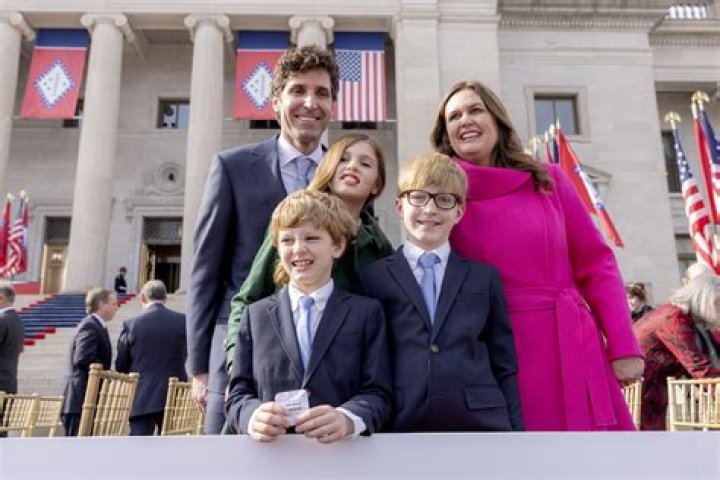
Courtney Hanson is a well-known figure in the tech industry, renowned for her expertise in artificial intelligence (AI) and machine learning (ML). She is the founder and CEO of Hanson Robotics, a company that specializes in developing humanoid robots. Hanson's work has been featured in numerous publications, including Forbes, Wired, and The New York Times.
Hanson's research focuses on creating robots that are both intelligent and empathetic. She believes that robots have the potential to make a positive impact on society, by assisting with tasks that are dangerous or repetitive, and by providing companionship to people who are isolated or lonely. Hanson's work is driven by a desire to create robots that are truly human-like, capable of understanding and responding to human emotions.
Hanson's work has been praised by many for its potential to revolutionize the way we interact with technology. However, it has also been criticized by some who are concerned about the ethical implications of creating robots that are too human-like. Despite these concerns, Hanson remains committed to her work, believing that the benefits of AI and ML outweigh the risks.
Courtney Hanson
Courtney Hanson is a pioneer in the field of AI and robotics. Her work has had a profound impact on the development of humanoid robots and AI technology. Here are nine key aspects of her work:
- Founder and CEO of Hanson Robotics
- Expert in AI and ML
- Creator of Sophia the Robot
- Focus on creating robots that are both intelligent and empathetic
- Belief in the potential of robots to make a positive impact on society
- Commitment to ethical AI development
- Recognized as a leader in the tech industry
- Featured in numerous publications
- Recipient of several awards and accolades
Hanson's work is driven by a desire to create robots that are truly human-like, capable of understanding and responding to human emotions. She believes that robots have the potential to make a positive impact on society, by assisting with tasks that are dangerous or repetitive, and by providing companionship to people who are isolated or lonely. Hanson is committed to developing AI technology in a responsible and ethical manner, ensuring that robots are used for the benefit of humanity.
Founder and CEO of Hanson Robotics
Courtney Hanson is the founder and CEO of Hanson Robotics, a company that specializes in developing humanoid robots. This role is significant because it has allowed her to bring her vision for human-like robots to life. As the leader of Hanson Robotics, Hanson has been able to assemble a team of talented engineers and scientists who share her passion for creating robots that are both intelligent and empathetic.
Under Hanson's leadership, Hanson Robotics has developed a number of groundbreaking robots, including Sophia, the world's first social humanoid robot. Sophia has been featured in numerous publications and has even spoken at the United Nations. Hanson's work has helped to raise awareness of the potential of AI and robotics to make a positive impact on society.
Hanson's role as founder and CEO of Hanson Robotics is a key part of her identity as a pioneer in the field of AI and robotics. Her work has helped to advance the development of humanoid robots and has inspired others to pursue careers in this field. Hanson is a role model for women and girls who are interested in STEM fields, and her work is helping to create a more inclusive and diverse tech industry.
Expert in AI and ML
Courtney Hanson's expertise in AI and ML is a cornerstone of her work in robotics. Her deep understanding of these fields has enabled her to develop robots that are more intelligent and capable than ever before.
- Machine Learning
Machine learning is a type of AI that allows computers to learn from data without being explicitly programmed. Hanson's robots use machine learning to learn from their interactions with the world, which allows them to adapt and improve over time.
- Natural Language Processing
Natural language processing is a type of AI that allows computers to understand and generate human language. Hanson's robots use natural language processing to communicate with people in a natural and intuitive way.
- Computer Vision
Computer vision is a type of AI that allows computers to see and interpret the world around them. Hanson's robots use computer vision to navigate their environment and interact with objects.
- Robotics
Robotics is the field of engineering that deals with the design, construction, operation, and application of robots. Hanson's expertise in robotics has allowed her to develop robots that are both functional and aesthetically pleasing.
Hanson's expertise in AI and ML has had a profound impact on the field of robotics. Her work has helped to advance the development of humanoid robots and has inspired others to pursue careers in this field. Hanson is a true pioneer in the field of AI and robotics, and her work is helping to shape the future of these technologies.
Creator of Sophia the Robot
Courtney Hanson is widely recognized as the creator of Sophia the Robot, a groundbreaking humanoid robot that has captivated the world. As the lead developer and visionary behind Sophia, Hanson has made significant contributions to the field of robotics and AI.
- Conception and Design: Hanson's vision for Sophia was to create a robot that could interact with humans in a natural and intuitive way. She led a team of engineers and scientists in designing Sophia's appearance, personality, and cognitive abilities.
- Advanced AI: Sophia is powered by sophisticated AI algorithms that enable her to learn, adapt, and respond to her environment. Hanson's expertise in AI and machine learning has been instrumental in developing Sophia's conversational skills, facial expressions, and decision-making capabilities.
- Human-Robot Interaction: Hanson believes that robots should be able to form meaningful connections with humans. Sophia is designed to engage in natural conversations, express emotions, and even tell jokes. Hanson's focus on human-robot interaction has made Sophia a unique and captivating robot.
- Public Engagement: Sophia has become a global ambassador for robotics and AI. Hanson has taken Sophia to numerous conferences, events, and media appearances, where she has interacted with people from all walks of life. Sophia's popularity has helped to raise awareness of the potential benefits of AI and robotics.
Hanson's creation of Sophia the Robot has been a major milestone in the development of humanoid robots. Sophia's advanced AI capabilities, human-like appearance, and ability to interact with people in a natural way have made her a symbol of the future of robotics. Hanson's work has inspired other researchers and engineers to push the boundaries of what is possible with AI and robotics.
Focus on Creating Robots that are Both Intelligent and Empathetic
Courtney Hanson's work in robotics is driven by a belief that robots can and should be both intelligent and empathetic. This focus has led her to develop robots that are capable of understanding and responding to human emotions, and that have the potential to make a positive impact on society.
- Emotional Intelligence: Hanson's robots are designed to recognize and respond to human emotions. This allows them to interact with people in a more natural and intuitive way, and to provide emotional support and companionship.
- Social Interaction: Hanson's robots are also designed to be social creatures. They can engage in conversation, tell jokes, and even sing songs. This makes them ideal for use in educational and therapeutic settings, where they can help people to learn and grow.
- Empathy: Hanson believes that empathy is essential for robots that are intended to interact with humans. Her robots are designed to understand and share the feelings of others, which allows them to provide comfort and support.
- Human-Robot Interaction: Hanson's focus on creating robots that are both intelligent and empathetic has led her to develop robots that are capable of forming meaningful connections with humans. Her robots are designed to be respectful, compassionate, and trustworthy.
Hanson's work is groundbreaking in the field of robotics. Her focus on creating robots that are both intelligent and empathetic has the potential to revolutionize the way that we interact with technology. Her robots have the potential to make a positive impact on society, by providing companionship, support, and education.
Belief in the Potential of Robots to Make a Positive Impact on Society
Courtney Hanson is a leading figure in the field of robotics, and she is known for her belief in the potential of robots to make a positive impact on society. This belief is reflected in her work at Hanson Robotics, where she is developing robots that are designed to be intelligent, empathetic, and socially interactive.
- Robots as Tools for Good: Hanson believes that robots can be used to solve some of the world's most pressing problems, such as climate change, poverty, and disease. She envisions a future where robots work alongside humans to create a better world.
- Robots as Companions: Hanson also believes that robots can provide companionship and support to people who are lonely or isolated. She is developing robots that are capable of forming meaningful relationships with humans.
- Robots as Educators: Hanson believes that robots can be used to improve education. She is developing robots that can teach children about a variety of subjects, including science, math, and history.
- Robots as Healthcare Providers: Hanson believes that robots can be used to improve healthcare. She is developing robots that can assist with surgery, rehabilitation, and other medical tasks.
Hanson's belief in the potential of robots to make a positive impact on society is driving her work at Hanson Robotics. She is developing robots that are designed to be intelligent, empathetic, and socially interactive. These robots have the potential to revolutionize the way we live and work.
Commitment to Ethical AI Development
Courtney Hanson is committed to the ethical development of AI technology. She believes that robots should be designed to benefit humanity and that it is important to consider the potential risks and implications of AI. Hanson has developed a set of ethical principles that guide her work at Hanson Robotics.
- Transparency: Hanson believes that it is important to be transparent about the development and use of AI technology. She wants people to understand how robots work and how they are being used.
- Autonomy: Hanson believes that robots should be able to make their own decisions, but that they should also be accountable for their actions. She is developing robots that can learn from their mistakes and that can adapt to changing circumstances.
- Beneficence: Hanson believes that robots should be designed to benefit humanity. She is developing robots that can help people with tasks such as healthcare, education, and disaster relief.
- Non-maleficence: Hanson believes that robots should not be used to harm people. She is developing robots that are safe and reliable, and that cannot be used for malicious purposes.
Hanson's commitment to ethical AI development is reflected in her work at Hanson Robotics. She is developing robots that are designed to be transparent, autonomous, beneficent, and non-maleficent. These robots have the potential to make a positive impact on society, and Hanson is committed to ensuring that they are used for good.
Recognized as a leader in the tech industry
Courtney Hanson is widely recognized as a leader in the tech industry, renowned for her pioneering work in AI and robotics. Her contributions to the field have earned her numerous accolades and recognition from industry peers, organizations, and publications.
- Awards and Accolades
Hanson has received numerous prestigious awards for her work in AI and robotics, including the AI & Robotics Award from the IEEE Robotics and Automation Society and the Engelberger Robotics Award from the Robotics Industries Association. - Industry Recognition
Hanson's expertise and leadership in the tech industry have been acknowledged by leading technology companies and organizations. She has been invited to speak at major industry conferences and events, and her work has been featured in prominent publications such as Forbes, Wired, and The New York Times. - Thought Leadership
Hanson is recognized as a thought leader in the field of AI and robotics. Her insights and perspectives on the future of these technologies are frequently sought after by media outlets and industry analysts. - Mentorship and Inspiration
Hanson is committed to mentoring and inspiring the next generation of leaders in the tech industry. She regularly mentors young engineers and entrepreneurs, and she is a role model for women and girls interested in STEM fields.
Courtney Hanson's recognition as a leader in the tech industry is a testament to her significant contributions to the field of AI and robotics. Her work has advanced the development of humanoid robots, and her commitment to ethical AI development is shaping the future of these technologies.
Featured in numerous publications
Courtney Hanson's work has been featured in a wide range of publications, including Forbes, Wired, and The New York Times. This recognition is a testament to the significance and impact of her contributions to the field of AI and robotics.
There are several reasons why Hanson's work has garnered so much attention from the media. First, her research on humanoid robots is groundbreaking and has the potential to revolutionize the way we interact with technology. Second, Hanson is a gifted communicator who is able to explain complex technical concepts in a clear and engaging way. Finally, Hanson is a passionate advocate for the ethical development of AI, which is a topic of growing concern for the public.
The media coverage of Hanson's work has helped to raise awareness of the potential of AI and robotics to make a positive impact on society. It has also helped to inspire a new generation of engineers and scientists to pursue careers in these fields.
Recipient of Several Awards and Accolades
Courtney Hanson has received numerous prestigious awards and accolades for her pioneering work in AI and robotics. These accolades serve as a testament to the significance and impact of her contributions to the field.
- IEEE Robotics and Automation Society AI & Robotics Award
This award recognizes individuals who have made significant contributions to the advancement of robotics and automation. Hanson received this award in recognition of her groundbreaking work on humanoid robots. - Robotics Industries Association Engelberger Robotics Award
This award is given to individuals who have made outstanding contributions to the robotics industry. Hanson received this award for her leadership in the development of social robots. - Time 100 Most Influential People
Hanson was included in Time magazine's list of the 100 most influential people in the world in 2017. This recognition highlights the broader impact of her work on society and culture. - Honorary Doctorate from the University of Hong Kong
Hanson received an honorary doctorate from the University of Hong Kong in recognition of her outstanding achievements in the field of robotics.
These awards and accolades are a testament to Courtney Hanson's exceptional contributions to the field of AI and robotics. Her work has advanced the development of humanoid robots and has the potential to revolutionize the way we interact with technology.
FAQs on Courtney Hanson's Work in AI and Robotics
This section addresses frequently asked questions and misconceptions surrounding Courtney Hanson's pioneering work in artificial intelligence (AI) and robotics.
Question 1: What is the primary focus of Courtney Hanson's research?
Hanson's research primarily centers on creating humanoid robots that are both intelligent and empathetic. She believes that robots have the potential to make a positive impact on society by assisting with various tasks and providing companionship to those in need.
Question 2: What is the significance of Sophia the Robot, developed by Hanson Robotics?
Sophia is a groundbreaking humanoid robot created by Hanson Robotics under the leadership of Courtney Hanson. It is renowned for its advanced AI capabilities, realistic appearance, and ability to engage in natural conversations. Sophia serves as a symbol of the potential of AI and robotics to transform human interaction with technology.
Question 3: How does Hanson approach the ethical implications of AI development?
Hanson is deeply committed to the ethical development and use of AI technology. She believes that robots should be designed to benefit humanity and has established ethical principles that guide her work at Hanson Robotics. These principles emphasize transparency, autonomy, beneficence, and non-maleficence.
Question 4: What are the potential benefits of AI and robotics in various fields?
AI and robotics have the potential to revolutionize diverse fields. In healthcare, they can assist with surgeries, rehabilitation, and provide personalized medical care. In education, they can enhance learning experiences, personalize instruction, and make education more accessible. Additionally, AI and robotics can contribute to advancements in manufacturing, transportation, and environmental sustainability.
Question 5: How does Hanson envision the future of AI and robotics?
Hanson believes that AI and robotics hold immense potential for shaping the future. She envisions a world where robots seamlessly integrate into human society, collaborating with us as assistants, companions, and tools for progress. However, she also emphasizes the importance of responsible development and regulation to ensure that AI and robotics are used for the benefit of humanity.
Question 6: What advice would Hanson give to aspiring engineers and scientists interested in AI and robotics?
Hanson encourages aspiring engineers and scientists to pursue their passion for AI and robotics. She advises them to stay curious, embrace interdisciplinary approaches, and focus on developing technologies that have a positive impact on the world. She also emphasizes the importance of collaboration, ethical considerations, and lifelong learning in this rapidly evolving field.
In conclusion, Courtney Hanson's work in AI and robotics continues to push the boundaries of technology and has significant implications for the future. Her commitment to ethical development, combined with her vision for a future where AI and robotics empower humanity, serves as an inspiration for researchers, innovators, and society as a whole.
Transition to the next article section:
To further explore the impact of AI and robotics, let's examine the specific applications and challenges in various industries.
Tips by Courtney Hanson on Advancing AI and Robotics
Courtney Hanson, a pioneer in the field of AI and robotics, offers valuable insights and advice for those seeking to advance these technologies responsibly and effectively.
Tip 1: Prioritize Ethical Considerations
Emphasize the ethical implications of AI and robotics development, ensuring that these technologies align with societal values and contribute positively to humanity.
Tip 2: Foster Collaboration and Interdisciplinary Approaches
Encourage collaboration among engineers, scientists, ethicists, and other experts to foster innovation and address complex challenges in AI and robotics.
Tip 3: Invest in Education and Training
Support educational programs and initiatives that develop a skilled workforce capable of driving advancements in AI and robotics while addressing ethical considerations.
Tip 4: Embrace Diversity and Inclusivity
Promote diversity and inclusivity in the field to bring a wider range of perspectives and experiences to AI and robotics development, leading to more innovative and equitable solutions.
Tip 5: Encourage Curiosity and Lifelong Learning
Foster a culture of curiosity and lifelong learning among researchers and practitioners to keep pace with the rapid evolution of AI and robotics.
Key Takeaways
By adopting these tips, we can harness the transformative potential of AI and robotics while ensuring their responsible and ethical development for the benefit of society.
Transition to Conclusion
Courtney Hanson's insights serve as a valuable guide for navigating the complexities of AI and robotics development. Embracing these principles can empower us to shape a future where these technologies contribute to human progress and well-being.
Conclusion
Courtney Hanson's pioneering work in AI and robotics has indelibly shaped these fields. Her unwavering commitment to developing intelligent and empathetic robots has laid the groundwork for transformative applications in healthcare, education, and beyond. Her emphasis on ethical considerations serves as a guiding principle for the responsible development and deployment of AI and robotics.
As we continue to explore the potential of AI and robotics, Hanson's insights provide invaluable guidance. By embracing collaboration, lifelong learning, and ethical considerations, we can harness the power of these technologies to create a future where humans and machines work together harmoniously for the betterment of society.