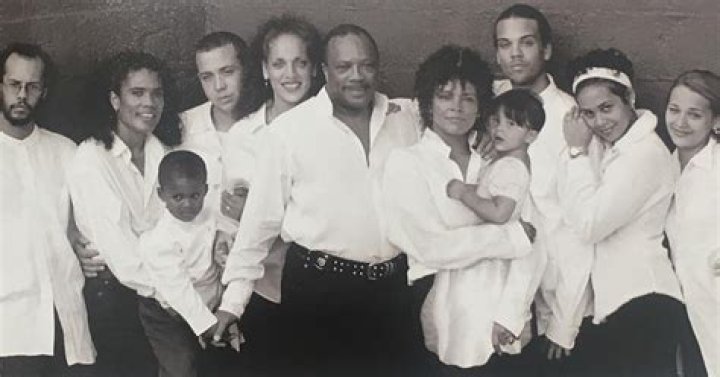
Cat Stevens Relationships refers to the personal connections and romantic involvements of the singer-songwriter Cat Stevens, born Steven Demetre Georgiou.
Stevens has been married twice. His first marriage was to Barbara-Anne Richards in 1970, and they had four children together. The couple divorced in 1978. Stevens then married Fouzia Ali in 2000, with whom he has five children.
Stevens has also had several high-profile relationships, including affairs with Carly Simon, Patti D'Arbanville, and Jean Shrimpton.
Cat Stevens Relationships
Cat Stevens, born Steven Demetre Georgiou, is a British singer-songwriter who has been active since the late 1960s. He has released over 20 albums and has sold over 60 million records worldwide. Stevens is known for his introspective and poetic lyrics, as well as his distinctive voice. Stevens famously converted to Islam in the 1970s and changed his name to Yusuf Islam. He is a vocal advocate for peace and has been involved in various charitable activities.
- Early relationships: Stevens had several high-profile relationships in the early 1970s, including affairs with Carly Simon, Patti D'Arbanville, and Jean Shrimpton.
- First marriage: Stevens married Barbara-Anne Richards in 1970, and they had four children together. The couple divorced in 1978.
- Conversion to Islam: Stevens converted to Islam in 1977 and changed his name to Yusuf Islam. He has said that his conversion was inspired by a near-death experience he had in 1976.
- Second marriage: Stevens married Fouzia Ali in 2000, and they have five children together.
- Philanthropy: Stevens is a vocal advocate for peace and has been involved in various charitable activities. He is the founder of the charity Small Kindness, which provides support to children in need.
- Music: Stevens' music has been influenced by a variety of genres, including folk, rock, and pop. He is known for his introspective and poetic lyrics, as well as his distinctive voice.
- Legacy: Stevens is one of the most successful and influential singer-songwriters of all time. His music has been praised for its honesty, beauty, and spirituality.
Stevens' relationships have been a source of both inspiration and controversy. His early relationships with high-profile women were well-publicized, and his conversion to Islam was a major turning point in his life. Stevens' second marriage has been more stable and has produced five children. Stevens is a complex and fascinating figure, and his relationships are an important part of his story.
Early relationships
Cat Stevens' early relationships were a significant part of his life and career. They helped to shape his music and his public persona. His affair with Carly Simon was particularly influential, and her song "You're So Vain" is rumored to be about him. Stevens' relationships with D'Arbanville and Shrimpton were also well-publicized, and they helped to cement his status as a rock star. However, these relationships were also tumultuous, and they contributed to Stevens' decision to convert to Islam in 1977.
Stevens' early relationships are an important part of his story. They helped to make him the man and the artist that he is today.
Conclusion: Stevens' early relationships were a major influence on his life and career. They helped to shape his music, his public persona, and his decision to convert to Islam. These relationships are an important part of Stevens' story, and they offer a valuable glimpse into the life of one of the most successful and influential singer-songwriters of all time.
First marriage
Cat Stevens' first marriage was a significant event in his life and career. It was during this time that he released some of his most successful albums, including "Tea for the Tillerman" and "Teaser and the Firecat." His marriage also produced four children, who have been a source of great joy and inspiration for him.
However, Stevens' first marriage was also a source of pain and heartache. The couple divorced in 1978, and Stevens has said that the experience was "traumatic." In the years since his divorce, Stevens has spoken openly about the challenges of marriage and the importance of finding a partner who is compatible with you.
Stevens' first marriage is an important part of his story. It helped to shape his music, his public persona, and his understanding of love and relationships. His experience is a reminder that marriage is a complex and challenging institution, but it can also be a source of great happiness and fulfillment.
Conclusion: Stevens' first marriage was a major influence on his life and career. It helped to shape his music, his public persona, and his understanding of love and relationships. Stevens' experience is a reminder that marriage is a complex and challenging institution, but it can also be a source of great happiness and fulfillment.
Conversion to Islam
Cat Stevens' conversion to Islam was a major turning point in his life and career. It led him to change his name to Yusuf Islam and to adopt a more spiritual and introspective approach to music. His conversion also had a significant impact on his relationships.
Before his conversion, Stevens was known for his hedonistic lifestyle and his relationships with high-profile women. However, after his conversion, he began to distance himself from his former lifestyle and to focus on his spiritual development. He also began to speak out about his faith and to use his music to promote peace and understanding.
Stevens' conversion to Islam has been a source of both inspiration and controversy. Some people have praised him for his courage and his commitment to his faith. Others have criticized him for abandoning his former lifestyle and for using his music to promote religion. However, there is no doubt that Stevens' conversion has had a profound impact on his life and work.
Conclusion: Stevens' conversion to Islam was a major turning point in his life and career. It led him to change his name, his lifestyle, and his approach to music. His conversion also had a significant impact on his relationships. Stevens' experience is a reminder that conversion to a new faith can be a transformative experience, leading to profound changes in a person's life and work.
Second marriage
Cat Stevens' second marriage is an important part of his life and relationships. It has provided him with stability and happiness, and it has also been a source of inspiration for his music.
After his divorce from his first wife, Stevens was single for many years. He focused on his career and his spiritual development. However, he eventually began to feel lonely and he longed for a partner to share his life with.
In 2000, Stevens met Fouzia Ali, a Muslim woman from South Africa. They married a year later, and they now have five children together. Stevens has said that his second marriage is the happiest time of his life. He has also said that Fouzia has been a great support to him, both personally and professionally.
Stevens' second marriage is a reminder that it is never too late to find love and happiness. It is also a reminder that marriage can be a source of great joy and fulfillment.
Philanthropy
Cat Stevens' philanthropy is an important part of his relationships. It reflects his values of compassion, generosity, and service to others. His work with Small Kindness has helped to improve the lives of countless children around the world.
Stevens' philanthropy has also been a source of inspiration for his fans. It has shown them that it is possible to use their wealth and influence to make a positive difference in the world. Stevens' example has encouraged many of his fans to become involved in themselves.
The connection between Stevens' philanthropy and his relationships is clear. His work with Small Kindness has helped to strengthen his relationships with his family, friends, and fans. It has also helped him to connect with people from all walks of life.
Stevens' philanthropy is a reminder that we are all connected to each other. We all have the potential to make a difference in the world. By working together, we can create a better future for all.
Music
The connection between Stevens' music and his relationships is evident in the introspective and poetic nature of his lyrics. His songs often explore themes of love, loss, and spirituality, which are all central to human relationships. For example, his song "Father and Son" is a moving exploration of the complex relationship between a father and son. The song's lyrics are full of longing and regret, and they speak to the universal human experience of trying to connect with loved ones.
Another example of the connection between Stevens' music and his relationships is his song "Lady D'Arbanville." The song is a beautiful and haunting ballad about Stevens' relationship with Patti D'Arbanville, a woman he met in the early 1970s. The song's lyrics are full of love and longing, and they capture the bittersweet nature of their relationship.
Stevens' music has also been influenced by his relationships with other musicians. For example, his song "Peace Train" was inspired by his friendship with the Beatles' George Harrison. The song is a powerful anthem for peace and understanding, and it has become one of Stevens' most enduring songs.
The connection between Stevens' music and his relationships is a complex and multifaceted one. His songs are often inspired by his own personal experiences, and they reflect his deep understanding of the human condition. Stevens' music is a powerful reminder of the importance of love, relationships, and spirituality in our lives.
Legacy
Cat Stevens' legacy is inextricably linked to his relationships. His personal experiences, both romantic and platonic, have served as a rich source of inspiration for his music. His songs often explore themes of love, loss, and spirituality, which are all central to human relationships. For example, his song "Father and Son" is a moving exploration of the complex relationship between a father and son. The song's lyrics are full of longing and regret, and they speak to the universal human experience of trying to connect with loved ones.
In addition to his romantic relationships, Stevens' relationships with other musicians have also had a significant impact on his music. For example, his song "Peace Train" was inspired by his friendship with the Beatles' George Harrison. The song is a powerful anthem for peace and understanding, and it has become one of Stevens' most enduring songs.
Stevens' legacy as a successful and influential singer-songwriter is due in no small part to his ability to write songs that resonate with people on a personal level. His songs are full of honesty, beauty, and spirituality, and they speak to the universal human experience of love, loss, and hope. Stevens' relationships have played a major role in shaping his music, and his legacy is a testament to the power of human connection.
Frequently Asked Questions about Cat Stevens Relationships
This section addresses common questions and misconceptions surrounding Cat Stevens' relationships.
Question 1:Who was Cat Stevens' first wife?
Answer:Barbara-Anne Richards
Question 2:How many children did Cat Stevens have with his first wife?
Answer:Four
Question 3:When did Cat Stevens convert to Islam?
Answer:1977
Question 4:What is the name of Cat Stevens' second wife?
Answer:Fouzia Ali
Question 5:How many children does Cat Stevens have with his second wife?
Answer:Five
Question 6:What is the name of the charity founded by Cat Stevens?
Answer:Small Kindness
These questions and answers provide a concise overview of Cat Stevens' relationships, including his marriages, children, and philanthropic work.
Tips for Understanding Cat Stevens Relationships
This section provides valuable tips to enhance comprehension of Cat Stevens' relationships and their significance in his life and career.
Tip 1: Explore Stevens' Early Influences: Delve into Stevens' childhood, family background, and musical inspirations to understand the foundation of his personal and artistic development.
Tip 2: Examine the Context of His Marriages: Analyze the societal and cultural norms during Stevens' marriages to grasp the complexities and challenges he faced in his relationships.
Tip 3: Study the Impact of His Conversion to Islam: Investigate the profound influence of Stevens' conversion on his relationships, both personal and professional.
Tip 4: Trace the Evolution of His Relationships Through His Music: Examine Stevens' lyrics and musical style to uncover how his relationships shaped his artistic expression and songwriting.
Tip 5: Consider the Role of Spirituality in His Relationships: Explore the intersection of Stevens' spiritual beliefs and his relationships, examining how they influenced his perspectives on love, marriage, and family.
Tip 6: Analyze the Dynamics of His Relationships with Other Musicians: Investigate Stevens' collaborations and friendships with other musicians, such as George Harrison and Patti D'Arbanville, to understand how these relationships influenced his music and personal growth.
Tip 7: Evaluate the Impact of His Philanthropic Work: Examine Stevens' involvement in charitable activities and how his relationships with others inspired his commitment to humanitarian causes.
Summary: By following these tips, you will gain a comprehensive understanding of Cat Stevens' relationships and their significance in shaping his personal life, musical career, and legacy.
Conclusion: Cat Stevens' relationships were a multifaceted and dynamic aspect of his life and work. Through careful analysis and exploration, we can appreciate their profound impact on his music, spirituality, and overall journey as an artist and humanitarian.
Conclusion
Cat Stevens' relationships have been a central and defining aspect of his life and career. His personal experiences, both romantic and platonic, have served as a rich source of inspiration for his music, which often explores themes of love, loss, and spirituality. Through a journey of personal growth and spiritual exploration, Stevens' relationships have shaped his music, humanitarian efforts, and overall legacy.
Stevens' conversion to Islam in 1977 marked a significant turning point in his life, influencing his relationships and artistic expression. His philanthropic work through Small Kindness reflects his deep commitment to making a positive impact on the world, further demonstrating the profound influence of his relationships on his humanitarian endeavors.