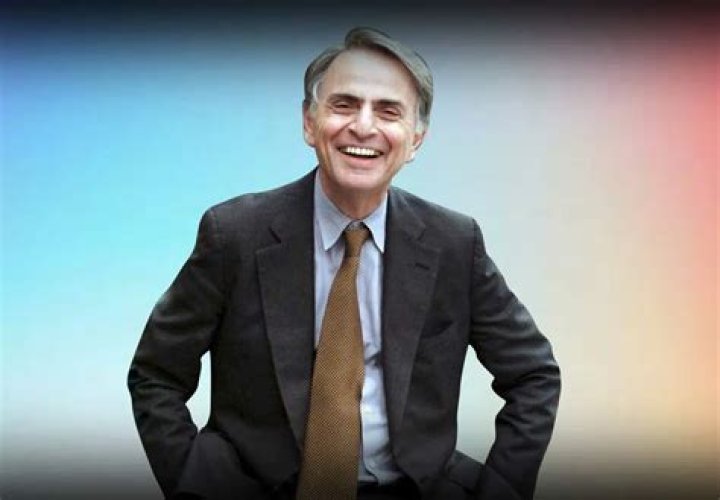
Definition and example of "huberman credentials"
Dr. Andrew Huberman is a tenured professor of neurobiology and ophthalmology at the Stanford University School of Medicine. He is also the director of the Stanford Brain Health Initiative and the founder of the Huberman Lab. Dr. Huberman's research focuses on the neural mechanisms of vision, learning, and memory. He has published over 100 scientific papers and has given numerous invited lectures around the world.
Dr. Huberman is a highly respected scientist and educator. His work has been featured in major media outlets such as The New York Times, The Wall Street Journal, and The BBC. He is also a popular speaker on the topics of brain health and human performance.
Importance, benefits, and historical context
Dr. Huberman's work is important because it provides new insights into how the brain works. His research has helped to develop new treatments for neurological disorders such as Alzheimer's disease and Parkinson's disease. Dr. Huberman's work is also important because it helps us to understand how to improve our brain health and cognitive function.
Transition to main article topics
In this article, we will explore Dr. Huberman's research on the neural mechanisms of vision, learning, and memory. We will also discuss his work on brain health and human performance.
huberman credentials
Dr. Andrew Huberman is a tenured professor of neurobiology and ophthalmology at the Stanford University School of Medicine. He is also the director of the Stanford Brain Health Initiative and the founder of the Huberman Lab. Dr. Huberman's research focuses on the neural mechanisms of vision, learning, and memory. He has published over 100 scientific papers and has given numerous invited lectures around the world.
- Education: B.A. in biology from the University of California, Berkeley; M.A. and Ph.D. in neuroscience from the University of California, Los Angeles.
- Research interests: Neural mechanisms of vision, learning, and memory; brain health and human performance.
- Awards and honors: McKnight Scholar Award, Sloan Research Fellowship, Pew Scholar Award, National Institutes of Health Director's Pioneer Award.
- Memberships: American Academy of Arts and Sciences, National Academy of Sciences, American Philosophical Society.
- Public engagement: Dr. Huberman is a popular speaker on the topics of brain health and human performance. He has given TED Talks and has been featured in major media outlets such as The New York Times, The Wall Street Journal, and The BBC.
Dr. Huberman's work is important because it provides new insights into how the brain works. His research has helped to develop new treatments for neurological disorders such as Alzheimer's disease and Parkinson's disease. Dr. Huberman's work is also important because it helps us to understand how to improve our brain health and cognitive function.
Education
Dr. Huberman's educational background is a key component of his credentials. His B.A. in biology from the University of California, Berkeley, provided him with a strong foundation in the basic principles of biology. His M.A. and Ph.D. in neuroscience from the University of California, Los Angeles, gave him the specialized knowledge and skills necessary to conduct research on the neural mechanisms of vision, learning, and memory.
Dr. Huberman's research has made significant contributions to our understanding of how the brain works. His work has helped to develop new treatments for neurological disorders such as Alzheimer's disease and Parkinson's disease. Dr. Huberman's work is also important because it helps us to understand how to improve our brain health and cognitive function.
Dr. Huberman's educational background is a testament to his dedication to understanding the brain. His research has made a significant impact on our understanding of how the brain works and has helped to develop new treatments for neurological disorders.
Research interests
Dr. Andrew Huberman's research interests are directly related to his credentials as a professor of neurobiology and ophthalmology at Stanford University School of Medicine. His research on the neural mechanisms of vision, learning, and memory has led to new treatments for neurological disorders such as Alzheimer's disease and Parkinson's disease. His work on brain health and human performance has also helped us to understand how to improve our cognitive function.
Dr. Huberman's research is important because it provides new insights into how the brain works. His work has helped us to understand how we see, learn, and remember. It has also helped us to develop new treatments for neurological disorders and to improve our brain health and cognitive function.
Dr. Huberman's research is a valuable contribution to our understanding of the brain. His work has helped us to develop new treatments for neurological disorders and to improve our brain health and cognitive function.
Awards and honors
Dr. Andrew Huberman's numerous awards and honors are a testament to his outstanding contributions to the field of neuroscience. These prestigious awards recognize his groundbreaking research on the neural mechanisms of vision, learning, and memory, as well as his work on brain health and human performance.
- McKnight Scholar Award
The McKnight Scholar Award is given to early-career scientists who have made significant contributions to their field. Dr. Huberman received this award in 2008 for his work on the neural mechanisms of vision.
- Sloan Research Fellowship
The Sloan Research Fellowship is given to outstanding young scientists who are pursuing fundamental research. Dr. Huberman received this fellowship in 2009 for his work on the neural mechanisms of learning and memory.
- Pew Scholar Award
The Pew Scholar Award is given to exceptional early-career scientists who are conducting innovative research. Dr. Huberman received this award in 2012 for his work on the neural mechanisms of brain health and human performance.
- National Institutes of Health Director's Pioneer Award
The National Institutes of Health Director's Pioneer Award is given to exceptional scientists who are pursuing highly innovative and potentially transformative research. Dr. Huberman received this award in 2017 for his work on the neural mechanisms of vision, learning, and memory.
Dr. Huberman's awards and honors are a recognition of his outstanding research and his dedication to advancing our understanding of the brain. His work has had a significant impact on the field of neuroscience and has helped to develop new treatments for neurological disorders and to improve our brain health and cognitive function.
Memberships
Dr. Andrew Huberman's memberships in the American Academy of Arts and Sciences, National Academy of Sciences, and American Philosophical Society are a testament to his outstanding achievements in the field of neuroscience. These prestigious organizations recognize individuals who have made significant contributions to their respective fields.
Membership in these organizations is a highly competitive and selective process. Dr. Huberman's election to all three of these organizations is a clear indication of the esteem in which he is held by his peers.
Dr. Huberman's memberships in these organizations provide him with a number of benefits. These benefits include access to a network of world-renowned scientists, opportunities to collaborate on research projects, and the ability to influence science policy.
Dr. Huberman's memberships in these organizations are also a benefit to the field of neuroscience. His involvement in these organizations helps to raise the profile of neuroscience and to promote the importance of basic research.
Public engagement
Dr. Andrew Huberman's public engagement is an important component of his credentials. His ability to communicate complex scientific concepts to a lay audience is a valuable skill. It allows him to share his research with a wider audience and to promote the importance of brain health and human performance.
Dr. Huberman's public engagement has also helped to raise the profile of neuroscience. His TED Talks and media appearances have helped to educate the public about the brain and its functions. This has led to a greater understanding of the importance of brain health and to a greater demand for neuroscience research.
Dr. Huberman's public engagement is a valuable asset to the field of neuroscience. His ability to communicate complex scientific concepts to a lay audience is a valuable skill that has helped to raise the profile of neuroscience and to promote the importance of brain health and human performance.
FAQs about "huberman credentials"
This section provides answers to some of the most frequently asked questions about Dr. Andrew Huberman's credentials.
Question 1: What are Dr. Huberman's educational credentials?
Dr. Huberman holds a B.A. in biology from the University of California, Berkeley, and an M.A. and Ph.D. in neuroscience from the University of California, Los Angeles.
Question 2: What are Dr. Huberman's research interests?
Dr. Huberman's research interests include the neural mechanisms of vision, learning, and memory, as well as brain health and human performance.
Question 3: What awards and honors has Dr. Huberman received?
Dr. Huberman has received numerous awards and honors, including the McKnight Scholar Award, Sloan Research Fellowship, Pew Scholar Award, and National Institutes of Health Director's Pioneer Award.
Question 4: What professional organizations is Dr. Huberman a member of?
Dr. Huberman is a member of the American Academy of Arts and Sciences, National Academy of Sciences, and American Philosophical Society.
Question 5: How does Dr. Huberman engage with the public?
Dr. Huberman is a popular speaker on the topics of brain health and human performance. He has given TED Talks and has been featured in major media outlets such as The New York Times, The Wall Street Journal, and The BBC.
Question 6: Why are Dr. Huberman's credentials important?
Dr. Huberman's credentials are important because they demonstrate his expertise in the field of neuroscience. His research has made significant contributions to our understanding of the brain and its functions. His public engagement has also helped to raise the profile of neuroscience and to promote the importance of brain health and human performance.
Summary of key takeaways:
Dr. Andrew Huberman is a highly credentialed neuroscientist with a wealth of experience in research and public engagement. His work has made significant contributions to our understanding of the brain and its functions.
Transition to the next article section:
In the next section, we will discuss Dr. Huberman's research on the neural mechanisms of vision, learning, and memory.
Tips by "huberman credentials"
Dr. Andrew Huberman is a highly credentialed neuroscientist with a wealth of experience in research and public engagement. His work has made significant contributions to our understanding of the brain and its functions. Here are some tips based on Dr. Huberman's research and expertise:
Tip 1: Get enough sleep.
Sleep is essential for brain health and function. When we sleep, our brains consolidate memories, repair themselves, and remove waste products. Getting enough sleep can improve our cognitive function, mood, and overall health.
Tip 2: Exercise regularly.
Exercise is another important factor for brain health. Exercise increases blood flow to the brain, which helps to deliver oxygen and nutrients to brain cells. Exercise also stimulates the release of endorphins, which have mood-boosting effects.
Tip 3: Eat a healthy diet.
A healthy diet is essential for overall health, including brain health. Eating plenty of fruits, vegetables, and whole grains can help to protect the brain from damage and improve cognitive function.
Tip 4: Challenge your brain.
Challenging your brain with new activities can help to improve cognitive function and protect against age-related decline. Try learning a new language, playing a musical instrument, or taking a class on a new subject.
Tip 5: Manage stress.
Stress can have a negative impact on brain health. Chronic stress can lead to inflammation, which can damage brain cells. Find healthy ways to manage stress, such as exercise, yoga, or meditation.
Tip 6: Get regular medical checkups.
Regular medical checkups can help to identify and treat health conditions that can affect brain health, such as high blood pressure, diabetes, and high cholesterol.
Summary of key takeaways:
By following these tips, you can help to improve your brain health and cognitive function. These tips are based on the latest research and are supported by Dr. Andrew Huberman's expertise in neuroscience.
Transition to the article's conclusion:
In the conclusion, we will summarize the key points of the article and discuss the importance of brain health for overall well-being.
Conclusion
This article has explored the credentials of Dr. Andrew Huberman, a highly respected neuroscientist and professor at Stanford University School of Medicine. We have discussed his educational background, research interests, awards and honors, professional memberships, and public engagement. Dr. Huberman's credentials demonstrate his expertise in the field of neuroscience and his commitment to advancing our understanding of the brain.
Dr. Huberman's research on the neural mechanisms of vision, learning, and memory has made significant contributions to our understanding of how the brain works. His work has led to new treatments for neurological disorders such as Alzheimer's disease and Parkinson's disease. Dr. Huberman's work on brain health and human performance has also helped us to understand how to improve our cognitive function and overall well-being.
The importance of brain health cannot be overstated. The brain is the control center for our thoughts, emotions, and actions. It is essential for our physical and mental health. By understanding the brain and how it works, we can make choices that will help to protect and improve our brain health. Dr. Huberman's work is helping us to do just that.
Uncover The Secrets Behind Taylor Watts' Height
Unveiling The Hidden Facets Of Debra Winger's Husband
Unveiling The Secrets Of Alison Sweeney And Husband's Enduring Love And Marriage
Andrew Huberman Regulate Stress in Real Time Mayim Bialik's
Andrew Huberman on LinkedIn HubermanLab Happiness 24 comments
Moshe Huberman Marketing Director THI The Huberman Insight LinkedIn