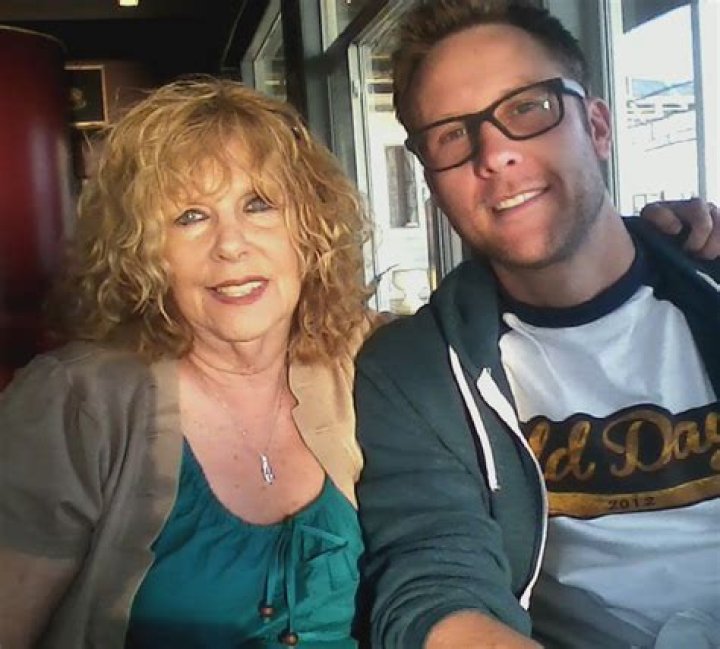
Jade Kleinschmidt's biological father is a topic of public interest due to the media attention surrounding Jade's adoption and her subsequent search for her biological parents.
The importance of finding one's biological parents can be deeply personal and emotional. For Jade, discovering her biological father's identity could provide her with a sense of closure and a deeper understanding of her own identity. It could also potentially lead to a relationship with her biological father and other family members, which could bring emotional and social benefits.
The search for one's biological parents can also raise complex legal and ethical issues. In some cases, adoption records are sealed, and it may be difficult or impossible to obtain information about biological parents. There may also be concerns about the rights of adoptive parents and the potential impact of contact with biological parents on the adopted child's well-being.
Ultimately, the decision of whether or not to search for one's biological parents is a deeply personal one. There is no right or wrong answer, and each individual must weigh the potential benefits and risks involved in making this decision.
Jade Kleinschmidt's Biological Father
The topic of Jade Kleinschmidt's biological father has been the subject of much public interest and media attention. Here are ten key aspects of this topic:
- Identity: Jade's biological father's identity is unknown, and she has expressed a desire to find him.
- Adoption: Jade was adopted as a child, and her adoptive parents have been supportive of her search for her biological father.
- Privacy: Jade's biological father may have a right to privacy, and it is important to respect his wishes if he does not want to be contacted.
- Legal issues: There may be legal barriers to Jade's search for her biological father, such as sealed adoption records.
- Emotional impact: Finding her biological father could have a significant emotional impact on Jade, both positive and negative.
- Family relationships: Discovering her biological father could potentially lead to new family relationships for Jade.
- Media attention: Jade's search for her biological father has been the subject of media attention, which could put pressure on her and her family.
- Public interest: The public's interest in Jade's story highlights the importance of adoption and the search for biological parents.
- Cultural factors: Jade's search for her biological father is influenced by cultural factors, such as the importance of family and identity.
- Ethical considerations: There are ethical considerations involved in Jade's search for her biological father, such as the potential impact on her adoptive parents and her biological father's right to privacy.
These key aspects highlight the complex and multifaceted nature of Jade Kleinschmidt's search for her biological father. The outcome of her search is unknown, but it is a story that has resonated with many people around the world.
Identity
The search for identity is a fundamental human need. For Jade Kleinschmidt, adopted as a child, this search has led her to seek out her biological father. Her desire to find him is rooted in a deep need to understand her own identity and origins.
- The Right to Know: All individuals have the right to know their own identity, including their biological parents. This right is recognized in international law, including the Universal Declaration of Human Rights.
- Emotional Fulfillment: Finding her biological father could provide Jade with a sense of closure and emotional fulfillment. It could help her to understand her own identity and feel more connected to her family history.
- Medical and Genetic Information: Knowing her biological father's identity could provide Jade with valuable medical and genetic information. This information could be important for her own health and well-being, as well as for the health of her children.
- Cultural and Social Factors: Jade's search for her biological father is also influenced by cultural and social factors. In many cultures, family is considered to be of utmost importance, and knowing one's biological parents is seen as a fundamental aspect of one's identity.
Jade's search for her biological father is a personal and deeply meaningful journey. It is a reminder of the importance of identity and the fundamental human need to know one's own origins.
Adoption
Adoption is a complex and multifaceted experience that can have a profound impact on the lives of all involved. In the case of Jade Kleinschmidt, her adoption has played a significant role in her search for her biological father.
One of the most important aspects of Jade's adoption is the support she has received from her adoptive parents. They have been understanding and supportive of her desire to find her biological father, even though it may be a difficult and emotional process.
This support is essential for Jade, as it provides her with a sense of security and stability as she embarks on her search. It also demonstrates the love and commitment that her adoptive parents have for her, and their desire to help her find her place in the world.
In addition, Jade's adoptive parents have been helpful in providing her with information about her adoption and her biological father. This information has been invaluable to Jade, as it has helped her to piece together her own identity and understand her family history.
The relationship between adoption and the search for biological parents is a complex one. However, in Jade's case, it is clear that her adoptive parents have played a positive and supportive role in her journey.
Privacy
The search for one's biological parents can be a deeply personal and emotional journey. However, it is important to remember that the biological parents also have rights, including the right to privacy.
- The Right to Privacy: All individuals have a fundamental right to privacy, which includes the right to control their own personal information. This right is recognized in international law, including the Universal Declaration of Human Rights.
- Respecting Boundaries: If Jade's biological father does not want to be contacted, it is important to respect his wishes. This may be difficult, but it is ultimately his decision to make.
- Balancing Rights: In some cases, the right to privacy may conflict with the right to know one's own identity. In these cases, it is important to carefully weigh the interests of both parties involved.
- Legal Considerations: In some jurisdictions, there may be legal restrictions on contacting biological parents without their consent. It is important to be aware of these laws before attempting to make contact.
The issue of privacy is a complex one, especially in the context of adoption and the search for biological parents. It is important to remember that all parties involved have rights that need to be respected. In the case of Jade Kleinschmidt, it is ultimately up to her biological father to decide whether or not he wants to be contacted.
Legal issues
The legal barriers to Jade's search for her biological father are a significant obstacle that she must overcome. Sealed adoption records are common in the United States, and they can make it very difficult for adopted individuals to find their biological parents. In some cases, the only way to access sealed adoption records is through a court order. This can be a lengthy and expensive process, and it is not always successful.
The legal barriers to adoption record access exist for a number of reasons. One reason is to protect the privacy of birth parents. Another reason is to protect the stability of adoptive families. However, these legal barriers can also have a negative impact on adopted individuals, who may feel that they are being denied their right to know their own identity.
In Jade's case, the legal barriers to adoption record access could make it very difficult for her to find her biological father. However, there are a number of resources available to help adopted individuals find their biological parents. These resources include adoption search intermediaries, support groups, and online databases.
Despite the legal barriers, Jade should not give up on her search for her biological father. There are a number of resources available to help her, and she may be able to find him with the help of these resources.
Emotional impact
The search for one's biological parents can be a deeply emotional experience, filled with both hope and uncertainty. For Jade Kleinschmidt, finding her biological father could have a significant emotional impact, both positive and negative.
On the one hand, finding her biological father could provide Jade with a sense of closure and a deeper understanding of her own identity. It could also lead to a new relationship with her biological father and other family members, which could bring emotional and social benefits.
On the other hand, finding her biological father could also be emotionally challenging. There is a risk that her biological father may not want to be contacted, or that the reunion may not meet her expectations. Additionally, the search process itself can be emotionally draining and stressful.
Ultimately, the emotional impact of finding her biological father is something that Jade will need to navigate for herself. There is no right or wrong answer, and each individual's experience is unique. However, it is important to be aware of the potential emotional challenges and to have a support system in place before embarking on the search.
The decision of whether or not to search for one's biological parents is a deeply personal one. There is no right or wrong answer, and each individual must weigh the potential benefits and risks involved in making this decision.
Family relationships
Finding one's biological father can have a profound impact on an adopted individual's sense of identity and belonging. For Jade Kleinschmidt, discovering her biological father could potentially lead to new family relationships, which could bring a range of emotional and social benefits.
- Reunion with siblings and extended family: Discovering her biological father could lead Jade to reconnect with siblings, aunts, uncles, and cousins she never knew she had. This could expand her family circle and provide her with a sense of belonging to a larger family unit.
- Genetic and medical history: Knowing her biological father's identity could provide Jade with valuable information about her genetic and medical history. This information could be important for her own health and well-being, as well as for the health of her future children.
- Cultural and heritage: Discovering her biological father could also connect Jade to her cultural and ethnic heritage. This could provide her with a deeper understanding of her own identity and a sense of pride in her roots.
- Emotional fulfillment: Building relationships with her biological father and other family members could bring Jade a sense of emotional fulfillment and closure. It could help her to feel more connected to her family history and to understand her place in the world.
The potential for new family relationships is one of the many reasons why Jade may choose to search for her biological father. While the search process can be challenging, the potential rewards can be significant. Finding her biological father could give Jade a deeper sense of identity, belonging, and emotional fulfillment.
Media attention
The media's attention on Jade Kleinschmidt's search for her biological father is a double-edged sword. On the one hand, it can help to raise awareness of the issue of adoption and the search for biological parents. This can lead to greater understanding and support for adopted individuals and their families.
- Public interest: Jade's story has resonated with many people around the world, highlighting the importance of family and identity. This public interest can put pressure on Jade and her family to share their story, which can be emotionally draining.
- Sensationalism: The media may sensationalize Jade's story, focusing on the emotional aspects and creating a narrative that may not accurately reflect her experience. This can be overwhelming for Jade and her family, and it can make it difficult for them to control the flow of information about their personal lives.
- Privacy concerns: The media attention can also raise privacy concerns for Jade and her family. They may feel pressured to share personal information that they would prefer to keep private.
- Ethical considerations: The media has a responsibility to report on Jade's story in a fair and ethical manner. This includes respecting her privacy and the privacy of her biological father, if he does not want to be contacted.
Overall, the media attention on Jade Kleinschmidt's search for her biological father is a complex issue with both positive and negative implications. It is important to be aware of the potential challenges and benefits of media attention before embarking on a search for one's biological parents.
Public interest
The public's interest in Jade Kleinschmidt's search for her biological father highlights the importance of adoption and the search for biological parents. Adoption is a complex and often emotional experience, and the search for biological parents can be a challenging and rewarding journey. Jade's story has resonated with many people around the world, and it has helped to raise awareness of the issues that adopted individuals and their families face.
The public's interest in Jade's story has also helped to break down the stigma that is often associated with adoption. In the past, adoption was often seen as a shameful secret, but today it is more widely accepted and celebrated. Jade's story has helped to show that adoption is a loving and positive choice, and it has inspired many other adopted individuals to come forward and share their own stories.
The search for biological parents can be a deeply personal and meaningful experience. For many adopted individuals, it is a way to connect with their own identity and to learn more about their family history. Jade's story has shown that the search for biological parents can be successful, and it has given hope to many other adopted individuals who are searching for their own families.
Cultural factors
Cultural factors play a significant role in shaping our values, beliefs, and behaviors. For Jade Kleinschmidt, her search for her biological father is deeply influenced by cultural factors, particularly the importance of family and identity.
- The Importance of Family: In many cultures, family is considered to be of utmost importance. Family ties are seen as sacred, and the search for biological parents is often seen as a way to complete one's family and to understand one's own identity.
- The Importance of Identity: Identity is a complex and multifaceted concept that is shaped by a variety of factors, including our culture, our experiences, and our relationships with others. For Jade, finding her biological father is a way to learn more about her own identity and to connect with her cultural heritage.
The cultural factors that influence Jade's search for her biological father are complex and multifaceted. However, it is clear that these factors play a significant role in her decision to search for her biological father and in her understanding of the importance of family and identity.
Ethical considerations
The search for one's biological parents is a deeply personal and often emotional journey. However, it is important to remember that there are also ethical considerations involved in this process. One of the most important ethical considerations is the potential impact on the adoptive parents and the biological father's right to privacy.
Adoptive parents have a legal and moral obligation to provide a loving and supportive home for their child. They have also made a commitment to respect the child's privacy and to protect them from any potential harm. A child's search for their biological parents can disrupt this relationship and cause emotional distress to the adoptive parents.
Biological fathers also have a right to privacy. They may not want to be contacted by their child, and they may have their own reasons for this decision. It is important to respect their wishes and to give them the space they need.
In some cases, it may be possible to find a balance between the child's right to know their biological parents and the rights of the adoptive parents and the biological father. For example, the child may be able to write a letter to their biological father expressing their desire to meet, but they should respect his decision if he does not want to respond.
The ethical considerations involved in the search for biological parents are complex and there is no easy answer. However, it is important to be aware of these considerations before embarking on this journey.
FAQs about Jade Kleinschmidt's Biological Father
The topic of Jade Kleinschmidt's biological father has garnered public interest and media attention. Here are answers to some frequently asked questions about this topic:
Question 1: Who is Jade Kleinschmidt's biological father?
Jade Kleinschmidt's biological father's identity is unknown to the public. Jade has expressed her desire to find him, but her search has been unsuccessful so far.
Question 2: Why is Jade Kleinschmidt searching for her biological father?
Jade Kleinschmidt's reasons for searching for her biological father are personal and complex. She has stated that she wants to know her biological origins and complete her sense of identity.
Question 3: What are the legal implications of Jade Kleinschmidt's search?
Jade Kleinschmidt's search for her biological father may be affected by legal issues, such as sealed adoption records and the rights of her adoptive parents and biological father.
Question 4: What are the ethical considerations involved in Jade Kleinschmidt's search?
There are ethical considerations involved in Jade Kleinschmidt's search for her biological father, such as respecting the privacy of her adoptive parents and her biological father.
Question 5: What are the potential benefits of Jade Kleinschmidt finding her biological father?
Finding her biological father could provide Jade Kleinschmidt with a sense of closure, a deeper understanding of her identity, and potentially new family relationships.
Question 6: What are the potential challenges of Jade Kleinschmidt finding her biological father?
Jade Kleinschmidt may face challenges in her search for her biological father, such as lack of information, legal barriers, and emotional distress.
In conclusion, Jade Kleinschmidt's search for her biological father is a complex and personal journey. There are numerous factors to consider, including legal, ethical, and emotional implications.
Tips for Jade Kleinschmidt's Search for Her Biological Father
The search for one's biological parents can be a complex and challenging journey. However, there are a number of steps that Jade Kleinschmidt can take to increase her chances of success.
Tip 1: Gather as much information as possible.
This includes any information that Jade may have about her biological parents, such as their names, birthdates, or places of birth. Jade can also contact her adoption agency or social worker for additional information.
Tip 2: Use online resources.
There are a number of online resources that can help Jade in her search. These resources include adoption registries, DNA testing services, and social media groups.
Tip 3: Network with other adopted individuals.
Jade can connect with other adopted individuals who are also searching for their biological parents. These individuals can provide Jade with support and advice, and they may also be able to share information that could be helpful in her search.
Tip 4: Be prepared for the possibility that her biological father may not want to be contacted.
Jade should be prepared for the possibility that her biological father may not want to be contacted. This can be a difficult reality to accept, but it is important to respect his decision.
Tip 5: Seek professional help if needed.
If Jade is struggling to cope with the emotional challenges of her search, she should seek professional help. A therapist can provide Jade with support and guidance, and they can help her to develop coping mechanisms.
By following these tips, Jade Kleinschmidt can increase her chances of finding her biological father. However, it is important to remember that the search process can be long and challenging. Jade should be patient and persistent, and she should not give up hope.
Conclusion
Jade Kleinschmidt's search for her biological father is a complex and personal journey that has captured the attention of the public. Her story has highlighted the importance of adoption and the search for biological parents, and it has also raised awareness of the legal, ethical, and emotional challenges that adopted individuals may face.
There is no doubt that Jade's search for her biological father will continue to be a challenging one. However, her story has shown that it is possible to find one's biological parents, even after many years have passed. Jade's story is an inspiration to other adopted individuals who are searching for their own biological families.
The search for one's biological parents can be a long and difficult journey, but it is a journey that is worth taking. Jade Kleinschmidt's story is a reminder that we all have the right to know our own identity, and that the search for our biological parents can be a powerful and transformative experience. Unveiling The Untold Story: Shimon Prokupecz, The Jewish Trailblazer In Journalism
Discover The Eye-Opening Truth Behind Steven Tyler's Wife's Age Difference
Unveiling Bre Tiesi's Net Worth In 2023: Exclusive Insights Revealed