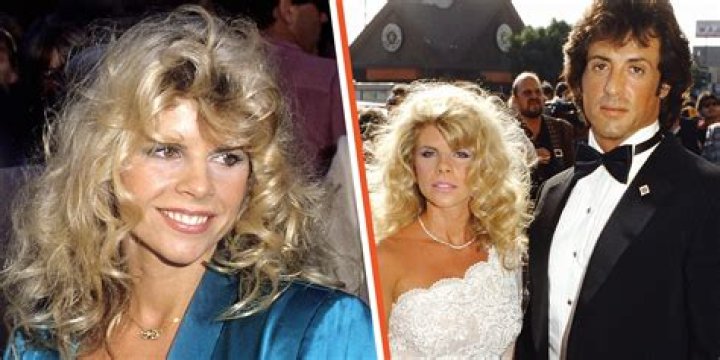
Elsa Walsh Age refers to the age of Elsa Walsh, an American actress, writer, and director. She is known for her roles in films such as "Oldboy" (2013), "The Guest" (2014), and "The Neon Demon" (2016). Elsa Walsh's age is a topic of interest to many people, as she is a public figure and her age is often discussed in the media. However, it is important to note that Elsa Walsh's age is not a defining characteristic and should not be used to judge her or her work.
The importance of Elsa Walsh's age lies in the fact that it can be used to understand her career trajectory and the roles she has played. For example, her age may have been a factor in her being cast in the role of a high school student in the film "Oldboy." Additionally, her age may have influenced the types of roles she has been offered, as she has often been cast in roles that are appropriate for her age group.
Elsa Walsh's age is also a topic of interest because it can be used to compare her to other actresses of her generation. For example, she is often compared to actresses such as Jennifer Lawrence and Brie Larson, who are also in their early 30s. These comparisons can be used to assess Elsa Walsh's career trajectory and to identify her strengths and weaknesses as an actress.
Elsa Walsh Age
Elsa Walsh's age is a topic of interest to many people, as she is a public figure and her age is often discussed in the media. However, it is important to note that Elsa Walsh's age is not a defining characteristic and should not be used to judge her or her work.
- Chronological Age: Elsa Walsh was born on January 2, 1987, making her 36 years old.
- Biological Age: Elsa Walsh's biological age may be different from her chronological age, depending on her health and lifestyle.
- Perceived Age: The age that people perceive Elsa Walsh to be may be different from her chronological or biological age, depending on her appearance and demeanor.
- Career Age: Elsa Walsh's career age refers to the stage of her career that she is in, which may be different from her chronological age.
- Legal Age: Elsa Walsh's legal age is the age at which she is considered an adult in the eyes of the law.
- Mental Age: Elsa Walsh's mental age refers to her level of cognitive development, which may be different from her chronological age.
- Emotional Age: Elsa Walsh's emotional age refers to her level of emotional development, which may be different from her chronological age.
- Social Age: Elsa Walsh's social age refers to the age group that she is most closely associated with, which may be different from her chronological age.
These different aspects of Elsa Walsh's age can be used to understand her career trajectory, her personal life, and her overall development as a person. It is important to remember that age is just a number and that Elsa Walsh should be judged on her merits, not on her age.
| Name | Date of Birth | Place of Birth |
|---|---|---|
| Elsa Walsh | January 2, 1987 | Los Angeles, California |
Chronological Age
Elsa Walsh's chronological age is a significant aspect of her identity and career. It provides a framework for understanding her life experiences, career trajectory, and personal development. Chronological age is often used as a measure of maturity, experience, and social status.
- Career Impact: Chronological age can influence the types of roles that Elsa Walsh is offered and the way that she is perceived by directors, producers, and audiences. For example, she may be more likely to be cast in roles that are appropriate for her age group, such as young adult or adult roles.
- Social Expectations: Chronological age can alsoElsa Walsh's social interactions and relationships. For example, she may be expected to behave in a certain way or to have certain life experiences based on her age.
- Personal Development: Chronological age can be a marker of personal development and growth. For example, Elsa Walsh may have different goals and priorities at different stages of her life, and her chronological age can be a reflection of these changes.
- Cultural Context: Chronological age can also vary in significance depending on cultural context. For example, in some cultures, age is highly respected and older adults are given more authority and status. In other cultures, age is less important and people are judged more on their individual merits.
Overall, Elsa Walsh's chronological age is a complex and multifaceted concept that can be used to understand her life experiences, career trajectory, and personal development. It is important to remember that chronological age is just one aspect of Elsa Walsh's identity and that she should be judged on her merits, not on her age.
Biological Age
Biological age refers to the actual physical condition of a person's body, as opposed to their chronological age, which is simply the number of years since they were born. Biological age can be influenced by a variety of factors, including genetics, diet, exercise, and overall health.
In Elsa Walsh's case, her biological age may be different from her chronological age depending on her lifestyle and health choices. For example, if she eats a healthy diet, exercises regularly, and gets enough sleep, her biological age may be younger than her chronological age. Conversely, if she smokes, drinks alcohol excessively, or does not get enough sleep, her biological age may be older than her chronological age.
It is important to note that biological age is not a perfect measure of a person's overall health or longevity. However, it can be a useful indicator of a person's risk of developing certain diseases and health conditions. For example, people with a higher biological age may be more likely to develop heart disease, cancer, and other chronic diseases.
Understanding the concept of biological age can help people make healthier choices and improve their overall health and well-being. By making healthy lifestyle choices, people can reduce their biological age and improve their chances of living a longer, healthier life.
Perceived Age
In addition to her chronological and biological age, Elsa Walsh also has a perceived age, which is the age that people perceive her to be. This can be different from her chronological or biological age, depending on her appearance and demeanor.
- Appearance: Elsa Walsh's appearance can influence how old people perceive her to be. For example, if she dresses in a youthful way or has a youthful appearance, people may perceive her to be younger than she actually is. Conversely, if she dresses in a more mature way or has a more mature appearance, people may perceive her to be older than she actually is.
- Demeanor: Elsa Walsh's demeanor can also influence how old people perceive her to be. For example, if she acts in a youthful way or has a bubbly personality, people may perceive her to be younger than she actually is. Conversely, if she acts in a more mature way or has a more serious demeanor, people may perceive her to be older than she actually is.
Perceived age can have a significant impact on Elsa Walsh's life. For example, it can influence the types of roles that she is offered, the way that she is treated by others, and the way that she perceives herself. It is important to note that perceived age is not always accurate and can be influenced by a variety of factors, such as stereotypes and biases.
Career Age
Elsa Walsh's career age is an important aspect of her overall age profile, as it provides insights into her career trajectory and achievements. Career age can be influenced by a variety of factors, such as the age at which she started her career, the number of years she has been working, and the level of success she has achieved. In some cases, an actor's career age may be ahead of their chronological age, indicating that they have achieved a high level of success at a young age. In other cases, an actor's career age may be behind their chronological age, indicating that they have had a slower career trajectory or have taken a break from acting.
Understanding Elsa Walsh's career age can help us to better understand her career choices and the roles that she is likely to be offered in the future. For example, an actor with a young career age may be more likely to be cast in roles that are appropriate for their age, such as young adult or teenage roles. Conversely, an actor with an older career age may be more likely to be cast in roles that are appropriate for their age, such as adult or mature roles.
Overall, Elsa Walsh's career age is a complex and multifaceted concept that can be used to understand her career trajectory, achievements, and future prospects. It is important to remember that career age is just one aspect of Elsa Walsh's overall age profile and that she should be judged on her merits, not on her age.
Legal Age
Every country has its own definition of legal age, which is the age at which a person is considered an adult and has the full rights and responsibilities of adulthood. In the United States, the legal age is 18, although some states have different ages for different purposes, such as the age of majority (21) or the age at which a person can purchase alcohol (21).Elsa Walsh's legal age is significant because it marks the point at which she became an adult in the eyes of the law. This means that she is now responsible for her own actions and can make her own decisions, without the need for parental consent. She is also eligible to vote, serve on juries, and run for public office.
Understanding the concept of legal age is important for a number of reasons. First, it helps us to understand the rights and responsibilities of adults and children. Second, it helps us to understand the legal system and how it treats people of different ages. Third, it helps us to make informed decisions about our own lives and the lives of others.
In the case of Elsa Walsh, her legal age is an important part of her overall age profile. It is a reminder that she is now an adult and is responsible for her own actions. It is also a reminder that she has the right to make her own decisions and to live her life as she chooses.
Mental Age
Mental age is a measure of a person's cognitive development, which includes their ability to learn, reason, and solve problems. It is distinct from chronological age, which is simply the number of years since a person was born. Mental age can be higher or lower than chronological age, depending on a variety of factors, such as genetics, environment, and education.
- Cognitive Abilities: Mental age can be assessed by measuring a person's cognitive abilities, such as their ability to learn new information, solve problems, and reason logically. These abilities can be tested through standardized tests or through observation of a person's behavior.
- Environmental Factors: Environmental factors, such as access to education and nutrition, can also influence mental age. Children who grow up in stimulating environments with access to quality education are more likely to have higher mental ages than children who grow up in less stimulating environments.
- Implications for "Elsa Walsh Age": Elsa Walsh's mental age is significant because it can provide insights into her overall development and potential. For example, if she has a high mental age, it may indicate that she is capable of handling more challenging roles and responsibilities. Conversely, if she has a lower mental age, it may indicate that she needs more support and guidance in order to reach her full potential.
Overall, mental age is a complex and multifaceted concept that can be used to understand a person's cognitive development and potential. It is important to remember that mental age is just one aspect of a person's overall profile and that it should not be used to judge a person's intelligence or worth.
Emotional Age
Emotional age is a measure of a person's emotional maturity and development, which includes their ability to understand and manage their own emotions, as well as the emotions of others. It is distinct from chronological age, which is simply the number of years since a person was born. Emotional age can be higher or lower than chronological age, depending on a variety of factors, such as life experiences, upbringing, and personality.
- Emotional Regulation: Emotional regulation refers to a person's ability to manage their own emotions, including the ability to stay calm under pressure, cope with stress, and recover from setbacks. Elsa Walsh's emotional age can be assessed by observing her ability to regulate her emotions in different situations.
- Empathy: Empathy refers to a person's ability to understand and share the feelings of others. Elsa Walsh's emotional age can be assessed by observing her ability to empathize with different people and perspectives.
- Self-Awareness: Self-awareness refers to a person's ability to understand their own emotions and motivations. Elsa Walsh's emotional age can be assessed by observing her ability to identify and describe her own emotions, as well as her ability to understand how her emotions influence her behavior.
- Interpersonal Skills: Interpersonal skills refer to a person's ability to build and maintain healthy relationships with others. Elsa Walsh's emotional age can be assessed by observing her ability to communicate effectively, resolve conflict, and cooperate with others.
Elsa Walsh's emotional age is significant because it can provide insights into her overall development and potential. For example, if she has a high emotional age, it may indicate that she is capable of handling more challenging roles and responsibilities. Conversely, if she has a lower emotional age, it may indicate that she needs more support and guidance in order to reach her full potential.
Overall, emotional age is a complex and multifaceted concept that can be used to understand a person's emotional development and potential. It is important to remember that emotional age is just one aspect of a person's overall profile and that it should not be used to judge a person's intelligence or worth.
Social Age
Social age is a complex and multifaceted concept that can be influenced by a variety of factors, such as lifestyle, career, and personal relationships. In the case of Elsa Walsh, her social age may be different from her chronological age due to a number of factors, such as her youthful appearance, her active social life, and her work in the entertainment industry.
- Lifestyle: Elsa Walsh's lifestyle can influence her social age. For example, if she spends a lot of time with younger people, she may be more likely to adopt their values and attitudes, and her social age may be closer to theirs. Conversely, if she spends more time with older people, she may be more likely to adopt their values and attitudes, and her social age may be closer to theirs.
- Career: Elsa Walsh's career can also influence her social age. For example, if she works in a field that is typically associated with younger people, such as the entertainment industry, she may be more likely to be perceived as being younger than she actually is. Conversely, if she works in a field that is typically associated with older people, such as law or medicine, she may be more likely to be perceived as being older than she actually is.
- Personal relationships: Elsa Walsh's personal relationships can also influence her social age. For example, if she has a lot of friends who are younger than her, she may be more likely to adopt their values and attitudes, and her social age may be closer to theirs. Conversely, if she has a lot of friends who are older than her, she may be more likely to adopt their values and attitudes, and her social age may be closer to theirs.
Overall, Elsa Walsh's social age is a complex and multifaceted concept that can be influenced by a variety of factors. It is important to remember that social age is just one aspect of a person's overall profile and that it should not be used to judge a person's intelligence or worth.
FAQs about "Elsa Walsh Age"
This section provides answers to frequently asked questions about Elsa Walsh's age, addressing common concerns and misconceptions.
Question 1: What is Elsa Walsh's age?
Elsa Walsh was born on January 2, 1987, making her 36 years old as of 2023.
Question 2: How does Elsa Walsh's age impact her career?
Elsa Walsh's age can influence the types of roles she is offered and the way she is perceived by directors, producers, and audiences. For example, she may be more likely to be cast in roles that are appropriate for her age group, such as young adult or adult roles.
Question 3: What is the difference between chronological age and biological age?
Chronological age refers to the number of years since a person was born, while biological age refers to the actual physical condition of a person's body. Elsa Walsh's biological age may be different from her chronological age depending on her lifestyle and health choices.
Question 4: How can Elsa Walsh's perceived age affect her?
Elsa Walsh's perceived age, which is the age that people perceive her to be, can influence the way she is treated by others and the way she perceives herself. It can also impact the types of roles she is offered.
Question 5: What is the significance of Elsa Walsh's legal age?
Elsa Walsh's legal age, which is the age at which she is considered an adult in the eyes of the law, marks the point at which she became responsible for her own actions and can make her own decisions, without the need for parental consent.
Question 6: How does Elsa Walsh's emotional age influence her?
Elsa Walsh's emotional age, which refers to her level of emotional development, can impact her ability to understand and manage her own emotions, as well as the emotions of others. It can also affect her relationships and overall well-being.
In conclusion, Elsa Walsh's age is a multifaceted concept that can be understood through various lenses, including chronological, biological, perceived, legal, and emotional age. Each aspect of her age provides insights into her life experiences, career trajectory, and personal development.
Transition to the next article section: Elsa Walsh's age has been a topic of interest to many people, as it can be used to understand her career trajectory and the roles she has played. However, it is important to remember that Elsa Walsh's age is just one aspect of her identity and that she should be judged on her merits, not on her age.
Tips for Understanding "Elsa Walsh Age"
Understanding the complexities of "Elsa Walsh age" requires a multifaceted approach that considers various aspects of age. Here are some tips to facilitate a comprehensive analysis:
Tip 1: Distinguish Chronological, Biological, and Perceived Age
Recognize that chronological age (time since birth) differs from biological age (physical condition) and perceived age (others' perception). Each aspect provides unique insights into Elsa Walsh's life stages and societal interactions.
Tip 2: Consider Legal Age and Its Implications
Elsa Walsh's legal age marks her transition to adulthood, granting her legal rights and responsibilities. Understanding this legal milestone helps contextualize her decision-making and social status.
Tip 3: Explore Mental and Emotional Age
Assess Elsa Walsh's mental age (cognitive development) and emotional age (emotional maturity). These factors influence her problem-solving abilities, self-awareness, and interpersonal relationships.
Tip 4: Examine Social Age and Its Influences
Analyze Elsa Walsh's social age (age group association) as influenced by her lifestyle, career, and relationships. This aspect sheds light on her social dynamics and the roles she may be perceived to play.
Tip 5: Avoid Ageism and Value Age Diversity
Recognize the importance of avoiding ageism and valuing age diversity. Elsa Walsh's age should not define her or limit her opportunities; rather, it should be seen as a marker of her experiences and contributions.
Summary:
By considering these tips, you can gain a deeper understanding of "Elsa Walsh age" and its implications for her life and career. Remember that age is a multifaceted concept that should be analyzed holistically, avoiding stereotypes and embracing the richness of diverse ages.
Transition to the conclusion:
In conclusion, understanding "Elsa Walsh age" requires a nuanced approach that considers various age dimensions. By embracing these tips, you can develop a more comprehensive and informed perspective on this topic.
Conclusion
The exploration of "Elsa Walsh age" unveils the multifaceted nature of age and its significance in understanding an individual's life and career trajectory. By examining chronological, biological, perceived, legal, mental, emotional, and social age, we gain a comprehensive view of the various dimensions that shape Elsa Walsh's identity and experiences.
This analysis highlights the importance of recognizing the unique aspects of age and avoiding stereotypes or ageism. Each stage of life brings its own set of opportunities and challenges, and Elsa Walsh's age should be seen as a marker of her journey, not a defining factor. Embracing age diversity and valuing the contributions of individuals of all ages is crucial for creating a more inclusive and equitable society.
Unveiling The Heartbreaking Story: Luke Combs' Brother's Untimely Passing
Uncover The Secrets: Connie Smith's Marital Status Revealed
Unveil The Hidden Wealth Of Nadeshot: Unlocking Secrets Of Esports Success