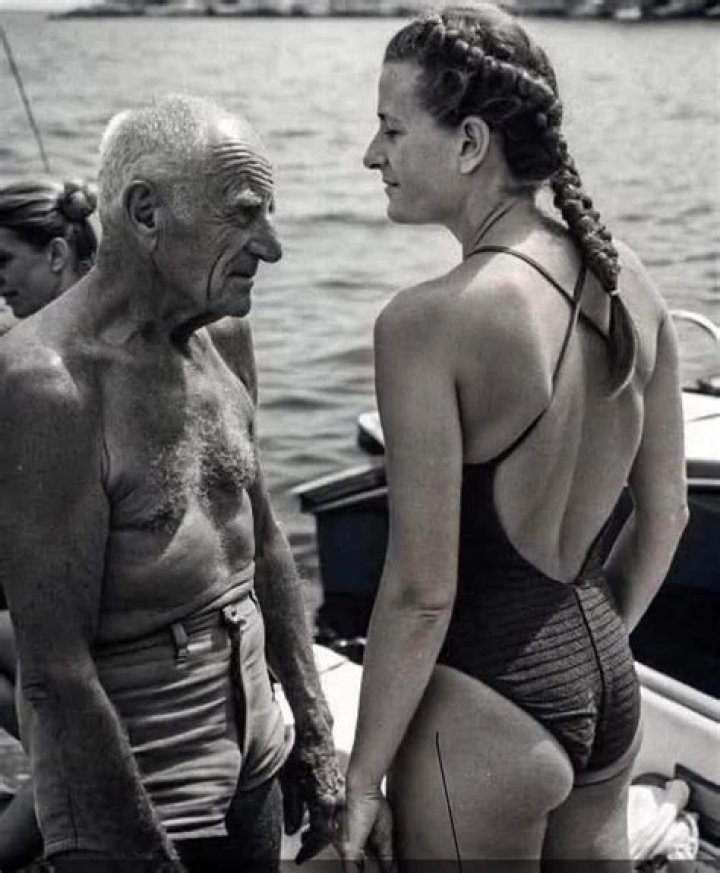
Ernestine Schlant Sclafani (born 1943) is an American writer known primarily for her work of historical fiction set in 19th Century New Orleans. Her 1993 novel The Book of Sallie was a New York Times Notable Book and won the Southern Book Critics Circle Award.
Sclafani's work often explores issues of class, race, and gender in the antebellum South, and she has been praised for her vivid and evocative portrayal of that era. Her other novels include Promised Lands (1998), The Hired Girl (2002), and Passing for Normal (2011).
Sclafani's work has been praised by critics for its lyrical prose, its rich characterization, and its insightful exploration of the American past. She is considered one of the leading contemporary writers of historical fiction.
Ernestine Sclafani
Ernestine Schlant Sclafani is an American writer known primarily for her work of historical fiction set in 19th Century New Orleans. Her 1993 novel The Book of Sallie was a New York Times Notable Book and won the Southern Book Critics Circle Award.
- Historical fiction
- Antebellum South
- Class
- Race
- Gender
- Lyrical prose
- Rich characterization
- Insightful exploration of the American past
- Southern Book Critics Circle Award
- New York Times Notable Book
Sclafani's work has been praised by critics for its lyrical prose, its rich characterization, and its insightful exploration of the American past. She is considered one of the leading contemporary writers of historical fiction.
Personal Details and Bio Data
| Name | Born | Occupation | Nationality |
|---|---|---|---|
| Ernestine Schlant Sclafani | 1943 | Writer | American |
Historical fiction
Historical fiction is a genre of literature that tells stories set in the past, often in a specific historical period. Historical fiction writers use their imaginations to recreate the past, and their work can offer readers a glimpse into different cultures and time periods. Ernestine Sclafani is a well-known writer of historical fiction, and her work often explores issues of class, race, and gender in the antebellum South.
- Accuracy
Historical fiction writers must be careful to accurately portray the past. They must research their topic thoroughly and make sure that their work is consistent with the historical record.
- Character development
Historical fiction characters are often complex and well-developed. They must be believable and relatable, even if they come from a different time period.
- Plot
The plot of a historical fiction novel must be engaging and exciting. It should keep readers turning the pages to find out what happens next.
- Theme
Historical fiction novels often have a theme or message that the author wants to convey to readers. This theme can be about anything, from the importance of family to the dangers of prejudice.
Ernestine Sclafani's historical fiction novels are all well-written and engaging. She is a master of character development and her plots are always well-paced and exciting. Her work offers readers a glimpse into the past and helps them to understand the challenges and triumphs of people who lived in different time periods.
Antebellum South
The antebellum South was the period in American history from the end of the Revolutionary War to the beginning of the Civil War. It was a time of great social and economic change, as the South transitioned from a rural, agricultural society to a more urban, industrial one. The antebellum South was also a time of great tension, as the issue of slavery became increasingly divisive.
Ernestine Sclafani is a writer whose work is often set in the antebellum South. Her novels explore the complex social and racial issues of the time, and she often writes about the lives of women and marginalized groups. Sclafani's work has been praised for its historical accuracy and its insights into the human condition.
The antebellum South is an important setting for Sclafani's work because it was a time of great change and upheaval. The South was struggling to come to terms with its own identity, and the issue of slavery was tearing the nation apart. Sclafani's novels explore these complex issues, and they offer a unique perspective on the antebellum South.
Sclafani's work is also important because it helps us to understand the roots of the Civil War. The antebellum South was a tinderbox of racial and economic tensions, and Sclafani's novels help us to understand how these tensions led to the outbreak of war.
Class
Class is a major theme in Ernestine Sclafani's work. She explores the ways in which class shapes people's lives and opportunities, and she often writes about the experiences of marginalized groups. Sclafani's work is important because it helps us to understand the social and economic inequalities that exist in our society.
In her novel _The Book of Sallie_, Sclafani tells the story of a young slave woman who escapes to freedom. Sallie's journey is a difficult one, and she faces many challenges along the way. However, she is ultimately able to overcome the obstacles she faces, and she finds freedom and happiness.
Sclafani's work is important because it helps us to understand the struggles that people from marginalized groups face. Her work also shows us that it is possible to overcome these challenges and achieve success.
Race
Race is a major theme in Ernestine Sclafani's work. She explores the ways in which race shapes people's lives and opportunities, and she often writes about the experiences of marginalized groups. Sclafani's work is important because it helps us to understand the social and racial inequalities that exist in our society.
In her novel The Book of Sallie, Sclafani tells the story of a young slave woman who escapes to freedom. Sallie's journey is a difficult one, and she faces many challenges along the way. However, she is ultimately able to overcome the obstacles she faces, and she finds freedom and happiness.
Sclafani's work is important because it helps us to understand the struggles that people from marginalized groups face. Her work also shows us that it is possible to overcome these challenges and achieve success.
Gender
Gender is a major theme in Ernestine Sclafani's work. She explores the ways in which gender shapes people's lives and opportunities, and she often writes about the experiences of marginalized groups. Sclafani's work is important because it helps us to understand the social and gender inequalities that exist in our society.
- Women's roles
Sclafani's work often explores the roles that women are expected to play in society. She writes about women who are struggling to break free from traditional gender roles, and she shows us the challenges that women face in a patriarchal society.
- Female desire
Sclafani's work also explores female desire. She writes about women who are struggling to understand and express their own desires, and she shows us the ways in which society tries to suppress female sexuality.
- Gender and power
Sclafani's work also explores the relationship between gender and power. She writes about women who are struggling to gain power in a society that is dominated by men, and she shows us the ways in which women are often denied access to power.
- Gender and identity
Sclafani's work also explores the relationship between gender and identity. She writes about women who are struggling to find their own identities in a society that is constantly trying to define them, and she shows us the ways in which women are often forced to conform to societal expectations.
Sclafani's work is important because it helps us to understand the challenges that women face in our society. Her work also shows us that it is possible to overcome these challenges and achieve success.
Lyrical prose
Lyrical prose is a type of writing that is characterized by its beauty and rhythm. It is often used in poetry and fiction to create a particular mood or atmosphere. Ernestine Sclafani is a writer who is known for her lyrical prose. Her writing is often described as being both beautiful and evocative.
Sclafani's use of lyrical prose is evident in all of her work, but it is particularly notable in her novel The Book of Sallie. This novel tells the story of a young slave woman who escapes to freedom. Sclafani's writing in this novel is both beautiful and heartbreaking, and it perfectly captures the emotions of the characters.
Sclafani's use of lyrical prose is one of the things that makes her work so special. Her writing has the power to transport readers to another time and place, and to make them feel the emotions of her characters. She is a truly gifted writer, and her work is sure to be enjoyed by readers for generations to come.
Rich characterization
Ernestine Sclafani is known for her rich characterization, which brings her characters to life and makes them relatable to readers. Her characters are complex and well-developed, and they often struggle with the same issues that people face in real life.
- Depth and Complexity
Sclafani's characters are not one-dimensional. They have strengths and weaknesses, and they often make mistakes. This depth and complexity makes them more relatable and believable to readers.
- Motivation and Desire
Sclafani's characters are always driven by something, whether it's a desire for freedom, a need for love, or a thirst for revenge. This motivation and desire gives them a sense of purpose and makes them more interesting to follow.
- Relationships and Interactions
Sclafani's characters don't exist in a vacuum. They interact with each other in complex and often surprising ways. These relationships and interactions help to develop the characters and make them more well-rounded.
- Historical Context
Sclafani's characters are often shaped by the historical context in which they live. She does a great job of bringing this context to life and showing how it affects her characters' lives.
Sclafani's rich characterization is one of the things that makes her work so special. Her characters stay with readers long after they finish reading her books.
Insightful Exploration of the American Past
Ernestine Sclafani's work is notable for its insightful exploration of the American past, particularly the antebellum South. Her novels are meticulously researched and rich in historical detail, bringing to life the social, cultural, and political complexities of the era.
- Racial and Social Dynamics
Sclafani's work unflinchingly examines the racial and social dynamics of the antebellum South. She explores the institution of slavery, the experiences of enslaved people, and the ways in which race and class shaped the lives of all Southerners.
- Gender Roles and Expectations
Sclafani also sheds light on the gender roles and expectations of the antebellum period. Her female characters are complex and multifaceted, navigating the constraints and possibilities of their time.
- Economic and Political Forces
Sclafani's work also explores the economic and political forces that shaped the antebellum South. She examines the rise of the cotton industry, the growing tensions between the North and South, and the events leading up to the Civil War.
- Personal and Collective Memory
Sclafani's novels also explore the ways in which personal and collective memory shape our understanding of the past. She examines how the stories we tell about our history can both illuminate and obscure the truth.
Through her insightful exploration of the American past, Ernestine Sclafani provides readers with a deeper understanding of the complexities of our nation's history. Her work is essential reading for anyone interested in the antebellum South, the Civil War, and the enduring legacy of slavery and racism in American society.
Southern Book Critics Circle Award
The Southern Book Critics Circle Award is a prestigious literary award given annually to the best work of fiction set in the American South. Ernestine Sclafani is a notable recipient of this award, having won for her 1993 novel The Book of Sallie.
- Recognition of Literary Excellence
The Southern Book Critics Circle Award recognizes literary excellence in fiction that captures the unique culture and history of the American South. Sclafani's novel, set in antebellum New Orleans, provides a vivid portrayal of the region's complex social and racial dynamics.
- Validation of Historical Fiction
The award's recognition of Sclafani's work highlights the importance of historical fiction in understanding the American past. Sclafani's novel offers a nuanced exploration of the antebellum South, shedding light on the lives of enslaved people and the social injustices of the era.
- Contribution to Southern Literature
Sclafani's award-winning novel has become an important contribution to the canon of Southern literature. It is widely studied and praised for its evocative prose, rich characterization, and insightful examination of the region's history and culture.
- Literary Legacy
The Southern Book Critics Circle Award has played a significant role in shaping Sclafani's literary legacy. The recognition she received for The Book of Sallie has solidified her reputation as a leading voice in Southern fiction.
The connection between the Southern Book Critics Circle Award and Ernestine Sclafani underscores the significance of her work in capturing the essence of the American South. Her award-winning novel not only provides a compelling narrative but also contributes to our understanding of the region's history and culture.
New York Times Notable Book
The "New York Times Notable Book" designation is a prestigious recognition bestowed upon exceptional works of literature by The New York Times Book Review. Ernestine Sclafani's novel, The Book of Sallie, was honored with this distinction in 1993, solidifying her reputation as a notable voice in American literature.
- Recognition of Literary Merit
The "New York Times Notable Book" designation serves as a testament to a work's literary excellence. Sclafani's novel captivated critics with its evocative prose, nuanced characterization, and insightful exploration of the antebellum South.
- Critical Acclaim and Exposure
Inclusion on the "New York Times Notable Book" list brings significant critical acclaim and exposure to authors. Sclafani's novel gained widespread recognition and praise, establishing her as a prominent figure in the literary landscape.
- Validation for Authors and Readers
For authors, receiving the "New York Times Notable Book" designation validates their artistic vision and dedication to storytelling. For readers, it serves as a trusted guide, highlighting exceptional works worthy of their attention.
- Contribution to Literary Discourse
The "New York Times Notable Book" selection contributes to the ongoing literary discourse by showcasing diverse voices and perspectives. Sclafani's novel, with its focus on the experiences of enslaved people, expands our understanding of American history and culture.
The connection between "New York Times Notable Book" and Ernestine Sclafani underscores the significance of her work in American literature. Her novel, The Book of Sallie, not only received critical acclaim but also sparked important conversations about race, identity, and the American past. Through this prestigious recognition, Sclafani's literary contributions continue to resonate and inspire readers.
Ernestine Sclafani FAQs
This section provides answers to frequently asked questions about Ernestine Sclafani, an acclaimed American writer known for her historical fiction set in the antebellum South.
Question 1: What is Ernestine Sclafani's most well-known work?
Answer: Ernestine Sclafani's most well-known work is her novel _The Book of Sallie_, which won the Southern Book Critics Circle Award and was named a New York Times Notable Book.
Question 2: What are the recurring themes in Sclafani's writing?
Answer: Sclafani's writing often explores themes of race, class, gender, and the complexities of the antebellum South.
Question 3: What is Sclafani's writing style like?
Answer: Sclafani's writing is characterized by its lyrical prose, rich characterization, and insightful exploration of the American past.
Question 4: What awards has Sclafani received for her work?
Answer: Sclafani has received numerous awards for her work, including the Southern Book Critics Circle Award and the New York Times Notable Book designation.
Question 5: Why is Sclafani's work considered important?
Answer: Sclafani's work is considered important for its historical accuracy, its insightful exploration of social and racial issues, and its contribution to the understanding of the American past.
Question 6: Where can I find more information about Ernestine Sclafani and her work?
Answer: More information about Ernestine Sclafani and her work can be found on her official website, in literary databases, and through academic journals.
Summary: Ernestine Sclafani is a significant figure in American literature, known for her historical fiction that sheds light on the complexities of the antebellum South. Her work is characterized by its literary excellence, insightful exploration of social issues, and contribution to our understanding of the American past.
Transition: Ernestine Sclafani's body of work continues to captivate readers and inspire new generations of writers. Her dedication to historical accuracy, combined with her nuanced characterization and evocative prose, ensures that her work remains a valuable resource for understanding the American past and its enduring impact on our present.
Tips by Ernestine Sclafani
Ernestine Sclafani, an acclaimed American writer, offers valuable insights into writing historical fiction through her work and experiences. Here are some tips inspired by her approach to storytelling:
Tip 1: Embrace Extensive Research
Historical fiction demands meticulous research. Immerse yourself in the time period, study primary sources, and consult experts to ensure your work is grounded in historical accuracy.
Tip 2: Craft Compelling Characters
Characters drive historical fiction. Develop complex, relatable protagonists whose motivations and struggles resonate with readers across time.
Tip 3: Explore Social and Political Context
Weave the social and political landscape of the era into your narrative. Show how historical events shape your characters and the world they inhabit.
Tip 4: Employ Vivid and Sensory Details
Bring the past to life through vivid descriptions that engage readers' senses. Use sensory language to evoke the sights, sounds, smells, and textures of the historical setting.
Tip 5: Balance Historical Accuracy with Creative License
While historical accuracy is crucial, don't be afraid to use creative license to enhance your story. Fictionalize characters or events if necessary, but always maintain the integrity of the historical context.
Tip 6: Consider the Impact of History on the Present
Explore the ways in which historical events continue to resonate in the present. Draw parallels and make connections that illuminate the enduring impact of the past.
Tip 7: Revise and Refine with Sensitivity
Seek feedback from sensitivity readers or historians to ensure your portrayal of different cultures, races, genders, and time periods is respectful and accurate.
Summary: By following these tips, writers can emulate Ernestine Sclafani's approach to historical fiction, creating works that are both captivating and illuminating. Her dedication to research, compelling characters, and insightful exploration of the past serves as a valuable guide for aspiring writers in this genre.
Transition: Ernestine Sclafani's writing transcends the boundaries of entertainment, offering a profound connection to the past that enriches our understanding of the present and inspires us to ponder the future.
Conclusion
Ernestine Sclafani's literary contributions have significantly enriched our understanding of the American past, particularly the complexities of the antebellum South. Through her meticulously researched historical fiction, she has illuminated the experiences of marginalized groups, explored the interplay of race, class, and gender, and shed light on the enduring impact of history on our present. Sclafani's works stand as a testament to the power of literature to educate, provoke thought, and foster empathy.
As we continue to grapple with the challenges of our time, Sclafani's body of work serves as a timely reminder of the importance of confronting the past and learning from its lessons. Her writing encourages us to embrace diversity, challenge injustice, and strive for a more just and equitable society. By delving into the complexities of our history, we can gain a deeper understanding of the present and work towards a more promising future.
Unveiling "Mike Tyson Tochter": Discoveries And Insights
Unlocking The Secrets: Kiely Williams' Net Worth Revealed
Uncover The Inspiring Story Behind Jason Sudeikis's Parents

Who is Ernestine Sclafani? Happily Married, Perfect Relationship With
Ernestine Sclafani All You Need To Know About The Wife Of Skip Bayless

MeetErnestine Scalfani, the wife of sports commentator Skip Bayless.