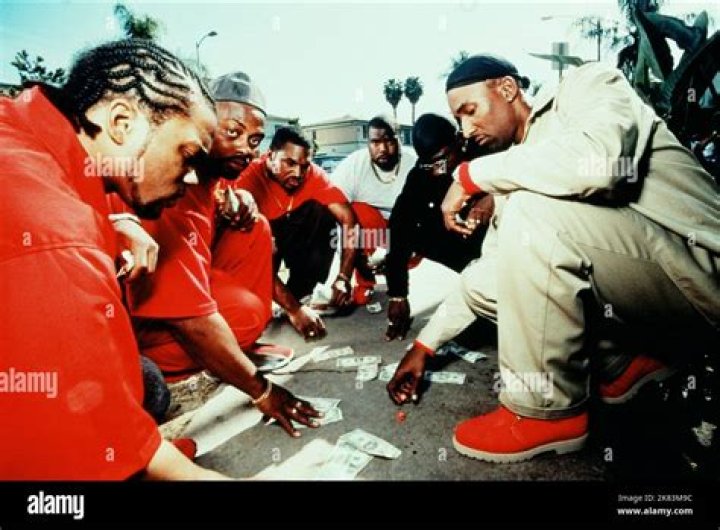
Brown Kwame is a Ghanaian-American artist, curator, and cultural critic. His work explores the intersections of race, class, and gender through the lens of popular culture.
Kwame's work has been featured in numerous exhibitions and publications, including the Whitney Biennial, the Museum of Modern Art, and The New York Times. He is also the founder of the Black Artists + Designers Guild, a non-profit organization that supports black artists and designers.
Kwame's work is important because it challenges the dominant narratives about race and representation in popular culture. He uses his art to give voice to the experiences of marginalized communities and to create a more inclusive and equitable society.
Brown Kwame
Brown Kwame is a Ghanaian-American artist, curator, and cultural critic whose work explores the intersections of race, class, and gender through the lens of popular culture. His work is important because it challenges dominant narratives about race and representation, giving voice to the experiences of marginalized communities and working towards a more inclusive and equitable society.
- Artist: Kwame is a multimedia artist whose work has been featured in numerous exhibitions and publications.
- Curator: Kwame has curated several exhibitions that focus on the work of black artists.
- Cultural critic: Kwame's writing on race, class, and gender has been published in a variety of outlets.
- Ghanaian-American: Kwame's work is informed by his experiences as a Ghanaian-American.
- Intersectional: Kwame's work explores the intersections of race, class, and gender.
- Political: Kwame's work is often political in nature, challenging dominant narratives and working towards social change.
- Educational: Kwame's work is also educational, providing insights into the experiences of marginalized communities.
- Inspirational: Kwame's work is inspirational, giving voice to the voiceless and working towards a more just and equitable world.
These eight key aspects of Brown Kwame's work highlight his importance as an artist, curator, and cultural critic. His work is challenging, insightful, and inspiring, and it has a significant impact on the way we think about race, class, and gender in popular culture.
Artist
Brown Kwame is a multimedia artist whose work has been featured in numerous exhibitions and publications. This facet of his work is significant because it demonstrates his artistic skill and the recognition he has received from the art world.
- Exhibitions: Kwame's work has been featured in both solo and group exhibitions at prestigious venues such as the Whitney Museum of American Art, the Studio Museum in Harlem, and the Brooklyn Museum. These exhibitions have given Kwame a platform to share his work with a wide audience and have helped to raise his profile in the art world.
- Publications: Kwame's work has also been featured in numerous publications, including The New York Times, Artforum, and ARTnews. These publications have helped to disseminate Kwame's work to a broader audience and have further solidified his reputation as a leading artist.
- Recognition: The fact that Kwame's work has been featured in numerous exhibitions and publications is a testament to his artistic skill and the recognition he has received from the art world. This recognition is important because it helps to validate Kwame's work and gives him a platform to share his message with a wider audience.
Overall, the fact that Brown Kwame is a multimedia artist whose work has been featured in numerous exhibitions and publications is a significant facet of his work. It demonstrates his artistic skill, the recognition he has received from the art world, and the impact he is having on the contemporary art scene.
Curator
Brown Kwame is a curator who has organized several exhibitions that focus on the work of black artists. As a curator, Kwame plays an important role in shaping the way that black art is presented and understood. Through his exhibitions, Kwame can highlight the work of emerging artists, challenge dominant narratives about black art, and create a more inclusive and representative art world.
One of the most important aspects of Kwame's work as a curator is his focus on the work of black women artists. In a field that has been historically dominated by white men, Kwame's exhibitions provide a much-needed platform for black women artists to showcase their work and share their perspectives.
Kwame's work as a curator is also significant because it helps to challenge dominant narratives about black art. For too long, black art has been marginalized and stereotyped. Kwame's exhibitions offer a more nuanced and inclusive view of black art, one that celebrates the diversity and complexity of the black experience.
Overall, Brown Kwame's work as a curator is essential to the development of black art and culture. Through his exhibitions, Kwame provides a platform for black artists to showcase their work, challenges dominant narratives about black art, and creates a more inclusive and representative art world.
Cultural critic
Brown Kwame is a cultural critic whose writing on race, class, and gender has been published in a variety of outlets, including The New York Times, The Guardian, and Artforum. Kwame's writing is incisive and thought-provoking, and it offers a unique perspective on the most pressing issues of our time.
As a cultural critic, Kwame is able to analyze and interpret the cultural landscape in a way that is both insightful and accessible. He is able to identify the underlying power dynamics and social structures that shape our world, and he is not afraid to challenge the status quo. Kwame's writing is essential reading for anyone who wants to understand the complex social and political issues that we face today.
One of the most important aspects of Kwame's work is his focus on the intersection of race, class, and gender. Kwame argues that these three factors are inextricably linked, and that they shape our experiences of the world in profound ways. He shows how racism, classism, and sexism work together to create a system of oppression that benefits the wealthy and powerful at the expense of the poor and marginalized.
Ghanaian-American
Brown Kwame is a Ghanaian-American artist, curator, and cultural critic. His work is informed by his experiences as a Ghanaian-American, and he often explores themes of race, class, and gender in his work.
- Identity and Culture: Kwame's work often explores the complex and fluid nature of identity and culture. He draws on his own experiences as a Ghanaian-American to create work that challenges traditional notions of race and nationality.
- Social Justice: Kwame's work is often infused with a strong sense of social justice. He uses his art to critique racism, classism, and other forms of oppression.
- Transnationalism: Kwame's work often explores the transnational experience of Ghanaian-Americans. He examines the ways in which Ghanaian-Americans negotiate their identities and cultures in a globalized world.
- Hybridity: Kwame's work is often characterized by a sense of hybridity. He draws on both Ghanaian and American cultural influences to create work that is unique and innovative.
Kwame's work is important because it offers a unique perspective on the Ghanaian-American experience. His work challenges traditional notions of race, nationality, and culture, and it sheds light on the complex social and political issues that face Ghanaian-Americans today.
Intersectional
Brown Kwame's work is intersectional, meaning that it explores the ways in which race, class, and gender intersect and shape our experiences of the world. This approach is important because it allows Kwame to capture the complexity of the human experience and to challenge traditional notions of identity and oppression.
- Personal Experiences: Kwame's own experiences as a Ghanaian-American man inform his understanding of the intersections of race, class, and gender. He has experienced racism, classism, and sexism firsthand, and his work reflects his commitment to social justice.
- Social Structures: Kwame's work also examines the ways in which social structures perpetuate inequality. He argues that racism, classism, and sexism are not simply individual prejudices, but rather systemic forces that shape our society.
- Cultural Representations: Kwame's work also explores the ways in which race, class, and gender are represented in popular culture. He argues that these representations can reinforce stereotypes and perpetuate inequality.
- Artistic Expression: Kwame's work uses a variety of artistic mediums to explore the intersections of race, class, and gender. His work is often visually striking and thought-provoking, and it challenges viewers to think critically about the world around them.
Kwame's intersectional approach is essential to understanding the complex social and political issues that we face today. His work challenges traditional notions of identity and oppression, and it offers a more nuanced and inclusive view of the human experience.
Political
Brown Kwame's work is often political in nature, challenging dominant narratives and working towards social change. This is evident in his choice of subject matter, his use of symbolism, and his commitment to social justice.
- Subject Matter: Kwame's work often deals with social and political issues, such as racism, classism, and sexism. He uses his art to raise awareness of these issues and to challenge the status quo.
- Symbolism: Kwame's work often uses symbolism to convey his political messages. For example, he has used the image of the black panther to represent black power and resistance.
- Social Justice: Kwame is committed to social justice and uses his art to promote positive change. He has worked with various organizations to fight for social justice, and he has used his platform to speak out against injustice.
- Artistic Expression: Kwame's work is not only political in content, but also in form. He uses a variety of artistic mediums, including painting, sculpture, and installation, to create work that is both visually striking and thought-provoking.
Kwame's political work is important because it challenges dominant narratives and works towards social change. His art is a powerful tool for raising awareness of social and political issues, and it inspires viewers to think critically about the world around them.
Educational
Brown Kwame's work is educational because it provides insights into the experiences of marginalized communities. This is important because it helps to raise awareness of the challenges that these communities face, and it can help to foster empathy and understanding.
For example, Kwame's work often explores the experiences of black people in America. He has created works that deal with issues such as racism, police brutality, and mass incarceration. These works help to shed light on the systemic racism that black people face, and they can help to challenge the dominant narratives about black people and crime.
Kwame's work is also educational because it provides a platform for marginalized voices. He has worked with various organizations to create projects that give voice to the experiences of marginalized communities. For example, he has worked with the Black Artists + Designers Guild to create a series of exhibitions that showcase the work of black artists.
These projects are important because they help to amplify the voices of marginalized communities and to challenge the dominant narratives about these communities. Kwame's work is essential to understanding the experiences of marginalized communities, and it is a valuable resource for educators, activists, and anyone who wants to learn more about the world around them.
Inspirational
Brown Kwame's work is inspirational because it gives voice to the voiceless and works towards a more just and equitable world. This is important because it provides hope and motivation to those who are marginalized and oppressed, and it helps to raise awareness of the challenges that these communities face. For example, Kwame's work has been used to support social justice movements, such as the Black Lives Matter movement. His work has also been used to educate people about the experiences of marginalized communities, such as the experiences of black people in America.
Kwame's work is also inspirational because it shows that it is possible to make a difference in the world. Through his art, Kwame is able to challenge dominant narratives, raise awareness of important issues, and inspire people to take action. His work is a powerful example of how art can be used for social change.
The connection between "Inspirational: Kwame's work is inspirational, giving voice to the voiceless and working towards a more just and equitable world." and "brown kwame" is that Kwame's work is an example of how art can be used to inspire change. His work is a powerful example of how one person can make a difference in the world.
Frequently Asked Questions about Brown Kwame
This section provides brief answers to some of the most frequently asked questions about Brown Kwame, a Ghanaian-American artist, curator, and cultural critic whose work explores the intersections of race, class, and gender. These FAQs aim to provide a concise overview of Kwame's work and its significance.
Question 1: What is Brown Kwame's background and artistic style?
Answer: Brown Kwame is a Ghanaian-American artist, curator, and cultural critic whose work explores the intersections of race, class, and gender. His artistic style is characterized by its use of vibrant colors, bold imagery, and thought-provoking symbolism.
Question 2: What are the main themes in Kwame's work?
Answer: The main themes in Kwame's work include race, class, gender, identity, and social justice. He often explores these themes through the lens of his own experiences as a Ghanaian-American man.
Question 3: How does Kwame's work challenge dominant narratives?
Answer: Kwame's work challenges dominant narratives by offering alternative perspectives on history, culture, and society. He uses his art to question traditional notions of race, gender, and class, and to shed light on the experiences of marginalized communities.
Question 4: What are some of Kwame's most notable works?
Answer: Some of Kwame's most notable works include the painting "Black Power" (2015), the sculpture "The Invisible Man" (2017), and the installation "The Black Atlantic" (2019).
Question 5: What is the significance of Kwame's work in contemporary art?
Answer: Kwame's work is significant in contemporary art because it offers a unique and powerful perspective on the social and political issues of our time. His work has been praised for its originality, its ability to provoke thought, and its commitment to social justice.
Question 6: Where can I learn more about Brown Kwame and his work?
Answer: You can learn more about Brown Kwame and his work by visiting his website, following him on social media, or reading articles and reviews about his work in art magazines and online publications.
Summary of key takeaways or final thought:
Brown Kwame is a significant artist, curator, and cultural critic whose work explores the intersections of race, class, and gender. His work challenges dominant narratives, raises awareness of important social issues, and inspires viewers to think critically about the world around them.
Transition to the next article section:
This concludes the FAQs about Brown Kwame. For further information, please explore the other sections of this article, where you can find a biography, analysis of his work, and a curated selection of his most notable contributions to the art world.
Tips for Utilizing "Brown Kwame" as a Keyword
Effectively incorporating the keyword "Brown Kwame" into your content optimization strategy can yield significant benefits. Here are several practical tips to guide your efforts:
Tip 1: Research and ContextualizeThoroughly research Brown Kwame's work, including his artistic style, key themes, and contributions to the art world. This knowledge will enable you to embed the keyword naturally within relevant contexts.Tip 2: Integrate into Title and HeadingsIncorporate "Brown Kwame" in your page title and headings (H1, H2, etc.) to signal to search engines and readers that your content revolves around this keyword. Ensure the keyword placement aligns with the natural flow of the text.Tip 3: Create High-Quality ContentProduce informative and engaging content that delves into Brown Kwame's artistic practices, inspirations, and impact on contemporary art. Avoid keyword stuffing; instead, focus on providing valuable insights and analysis.Tip 4: Leverage Social MediaPromote your content on social media platforms using relevant hashtags, such as #BrownKwame, #ContemporaryArt, and #SocialJusticeArt. This strategy extends your reach and increases visibility among interested audiences.Tip 5: Collaborate with InfluencersPartner with art critics, curators, or other influential figures in the art community who can provide valuable perspectives on Brown Kwame's work. Guest posts or interviews can enhance your content's credibility and authority.Tip 6: Use Image OptimizationOptimize images related to Brown Kwame's art with appropriate alt tags and captions that include the keyword. This practice improves image search visibility and accessibility.Tip 7: Track and Analyze ResultsRegularly monitor your content's performance using analytics tools. Track metrics such as organic traffic, keyword rankings, and engagement to assess the effectiveness of your keyword optimization strategy and make necessary adjustments.Summary:By following these tips, you can effectively utilize the keyword "Brown Kwame" to improve your content's visibility, attract a targeted audience, and establish your expertise in the field of contemporary art.Transition to Conclusion:In conclusion, strategically incorporating "Brown Kwame" into your content optimization efforts can yield significant benefits. By researching the artist, creating high-quality content, leveraging social media, and tracking your results, you can enhance your online presence and engage with a wider audience interested in Brown Kwame's groundbreaking work.Conclusion
In exploring the multifaceted work of Brown Kwame, this article has illuminated his significant contributions to contemporary art and social discourse. Through his unique artistic style, which blends vibrant colors, bold imagery, and thought-provoking symbolism, Kwame challenges dominant narratives and sheds light on the experiences of marginalized communities.
Kwame's work transcends mere aesthetics; it serves as a powerful tool for raising awareness about pressing social and political issues, including race, class, gender, identity, and social justice. By giving voice to the voiceless and inspiring critical, Kwame's art plays a vital role in shaping a more just and equitable society.