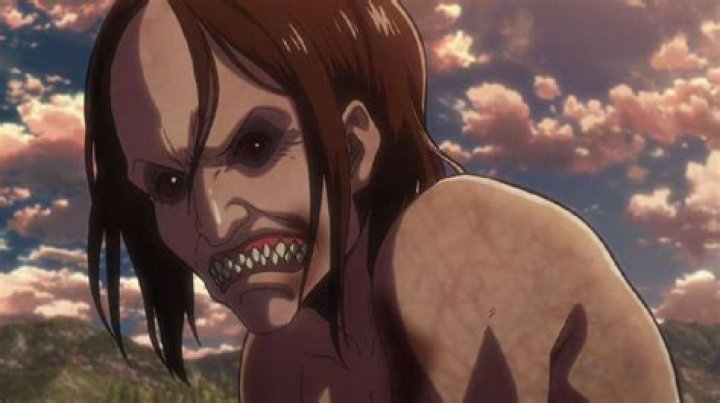
Ugly Titans
The Titans are a race of giant beings in Greek mythology. They are often depicted as being (ugly), with monstrous features and deformed bodies. There are many reasons why the Titans are so ugly.
One reason is that they are the children of Gaia, the earth goddess, and Uranus, the sky god. Gaia was a beautiful goddess, but Uranus was a cruel and tyrannical god. The Titans inherited their father's (ugliness) and his violent nature.
Another reason why the Titans are so ugly is that they were defeated by the Olympians, the younger generation of gods. The Olympians were more powerful and more beautiful than the Titans. They imprisoned the Titans in Tartarus, a dark and gloomy abyss. The Titans' (ugliness) is a symbol of their defeat and their imprisonment.
The Titans' (ugliness) is also a reflection of their chaotic and destructive nature. They represent the forces of nature that are beyond human control. Their (ugliness) is a warning to humans not to try to control these forces.
Why Are the Titans So Ugly?
The Titans are a race of giant beings in Greek mythology. They are often depicted as being ugly, with monstrous features and deformed bodies. There are many reasons for this ugliness, including their divine parentage, their defeat by the Olympians, and their chaotic and destructive nature.
- Divine Parentage: The Titans are the children of Gaia, the earth goddess, and Uranus, the sky god. Gaia was a beautiful goddess, but Uranus was a cruel and tyrannical god. The Titans inherited their father's ugliness and his violent nature.
- Defeat by the Olympians: The Titans were defeated by the Olympians, the younger generation of gods. The Olympians were more powerful and more beautiful than the Titans. They imprisoned the Titans in Tartarus, a dark and gloomy abyss. The Titans' ugliness is a symbol of their defeat and their imprisonment.
- Chaotic and Destructive Nature: The Titans represent the forces of nature that are beyond human control. Their ugliness is a warning to humans not to try to control these forces.
The Titans' ugliness is a complex and multifaceted issue. It is a reflection of their divine parentage, their defeat by the Olympians, and their chaotic and destructive nature. Their ugliness is a warning to humans not to try to control the forces of nature.
Divine Parentage
The Titans' divine parentage is a major factor in their ugliness. Their father, Uranus, was a cruel and tyrannical god. He hated his children and imprisoned them in Tartarus, a dark and gloomy abyss. The Titans inherited their father's violent nature and his monstrous appearance.
The Titans' ugliness is also a reflection of their chaotic and destructive nature. They represent the forces of nature that are beyond human control. Their ugliness is a warning to humans not to try to control these forces.
The Titans' divine parentage and their chaotic nature are two important factors that contribute to their ugliness. These factors are essential to understanding the Titans' role in Greek mythology and their significance as symbols of the forces of nature.
Defeat by the Olympians
The Titans' defeat by the Olympians is a major factor in their ugliness. The Olympians were more powerful and more beautiful than the Titans, and they imprisoned the Titans in Tartarus, a dark and gloomy abyss. The Titans' ugliness is a symbol of their defeat and their imprisonment.
The Titans' defeat by the Olympians is also a reflection of their chaotic and destructive nature. The Titans represented the forces of nature that were beyond human control, and their defeat by the Olympians represents the triumph of order over chaos.
The Titans' defeat by the Olympians is an important event in Greek mythology. It marks the end of the old order and the beginning of the new order. It is also a reminder that even the most powerful beings can be defeated.
The Titans' ugliness is a complex and multifaceted issue. It is a reflection of their divine parentage, their defeat by the Olympians, and their chaotic and destructive nature. Their ugliness is a warning to humans not to try to control the forces of nature.
Chaotic and Destructive Nature
The Titans' chaotic and destructive nature is a major factor in their ugliness. They represent the forces of nature that are beyond human control, and their ugliness is a warning to humans not to try to control these forces.
For example, the Titan Prometheus stole fire from the gods and gave it to humans. This act was seen as a challenge to the gods' authority, and Prometheus was punished for his actions. His punishment was to be chained to a rock and have his liver eaten by an eagle every day. Prometheus's story is a warning to humans not to try to control the forces of nature.
The Titans' chaotic and destructive nature is also a reminder that even the most powerful beings can be defeated. The Titans were defeated by the Olympians, the younger generation of gods. This defeat is a reminder that even the most powerful forces can be overcome.
The Titans' ugliness is a complex and multifaceted issue. It is a reflection of their divine parentage, their defeat by the Olympians, and their chaotic and destructive nature. Their ugliness is a warning to humans not to try to control the forces of nature.
FAQs on "Why Are the Titans So Ugly"
This section provides answers to frequently asked questions (FAQs) regarding the Titans' ugliness in Greek mythology, offering a deeper understanding of this intriguing aspect.
Question 1: Why are the Titans portrayed as physically repulsive?
The Titans' ugliness stems from their divine lineage. Their father, Uranus, was a cruel and tyrannical god who resented his children, reflecting his negative traits in their appearance and nature.
Question 2: How did their defeat by the Olympians contribute to their ugliness?
The Titans' defeat symbolizes their diminished power and status. Their imprisonment in Tartarus, a gloomy abyss, further reinforces their degraded state, contributing to their grotesque physical attributes.
Question 3: What is the significance of their chaotic and destructive nature?
The Titans embody the untamed forces of nature, which are often perceived as threatening and uncontrollable. Their ugliness mirrors the unpredictable and destructive aspects of these natural elements.
Question 4: How does their ugliness serve as a warning to mortals?
The Titans' grotesque appearance cautions mortals against attempting to control or defy the forces of nature, as such actions can result in severe consequences.
Question 5: Are there any alternative interpretations of the Titans' ugliness?
While physical repulsiveness is a common depiction, some interpretations suggest that the Titans' ugliness may also represent their moral flaws, such as hubris and arrogance.
Question 6: What broader themes does the Titans' ugliness explore?
The Titans' ugliness underscores the contrast between the orderly world of the Olympians and the chaotic realm of the Titans, highlighting the struggle for dominance and the consequences of opposing divine authority.
Summary: The Titans' ugliness is a multifaceted concept that reflects their divine lineage, defeat by the Olympians, chaotic nature, and serves as a cautionary tale for mortals. It explores themes of power dynamics, the dangers of hubris, and the delicate balance between order and chaos in the mythological world.
Transition to the next article section: The Titans' ugliness remains a captivating aspect of Greek mythology, inviting further exploration into its symbolism, cultural significance, and enduring legacy.
Tips for Understanding the Titans' Ugliness
The Titans' ugliness is a complex and multifaceted issue. Here are a few tips for understanding this intriguing aspect of Greek mythology:
Tip 1: Consider their divine lineage. The Titans are the children of Gaia, the earth goddess, and Uranus, the sky god. Gaia was a beautiful goddess, but Uranus was a cruel and tyrannical god. The Titans inherited their father's ugliness and his violent nature.Tip 2: Examine their defeat by the Olympians. The Titans were defeated by the Olympians, the younger generation of gods. The Olympians were more powerful and more beautiful than the Titans. They imprisoned the Titans in Tartarus, a dark and gloomy abyss. The Titans' ugliness is a symbol of their defeat and their imprisonment.Tip 3: Analyze their chaotic and destructive nature. The Titans represent the forces of nature that are beyond human control. Their ugliness is a warning to humans not to try to control these forces.Tip 4: Explore their symbolism. The Titans' ugliness is a powerful symbol of the dangers of hubris and the importance of respecting the forces of nature.Tip 5: Read the original myths. The best way to understand the Titans' ugliness is to read the original Greek myths. These myths provide a rich and nuanced portrayal of these complex and fascinating beings.Summary: By following these tips, you can gain a deeper understanding of the Titans' ugliness and its significance in Greek mythology.Transition to the article's conclusion: The Titans' ugliness is a reminder that even the most powerful beings can be defeated. It is also a warning to humans not to try to control the forces of nature.Conclusion on "Why Are the Titans So Ugly"
The Titans' ugliness is a complex and multifaceted issue. It is a reflection of their divine parentage, their defeat by the Olympians, and their chaotic and destructive nature. Their ugliness is a warning to humans not to try to control the forces of nature.
The Titans' ugliness is a reminder that even the most powerful beings can be defeated. It is also a warning to humans not to try to control the forces of nature. We must learn to respect the forces of nature and live in harmony with them.
Unveiling The Transformation: Michaela Coel Before Plastic Surgery
Florence Pugh: Unlocking The Enigma Of Her Orientation
Unveiling The Secrets Of Kelly Reilly's Enchanting Lips